
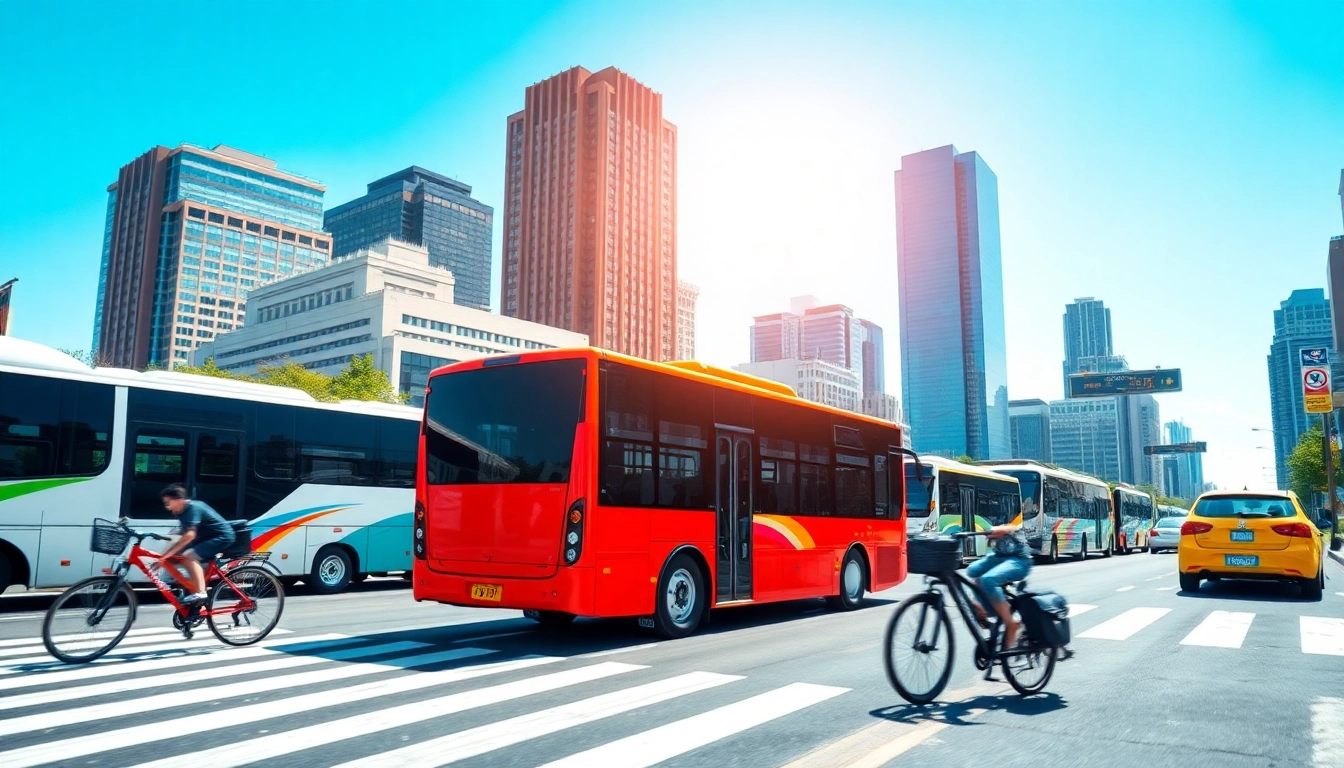
1. What is Transportation? An Overview
Transportation plays a critical role in the interconnected world we live in today. It entails the movement of people, goods, and services from one place to another, forming the backbone of our economies, societies, and daily lives. People rely on transportation systems not only for commuting to work or school but also for accessing markets, healthcare, and education. In this section, we will define transportation more clearly and explore its significance in modern society.
1.1 Definition and Importance of Transportation
Transportation is often defined as the intentional movement of individuals, goods, or services from one geographical location to another. This encompasses a variety of methods of transport, including land, air, and water. The importance of transportation cannot be overstated; it facilitates trade, fosters economic development, connects communities, and enhances overall quality of life. An efficient transportation network reduces travel times and costs, ultimately contributing to stronger economies.
1.2 Types of Transportation Infrastructure
Transportation infrastructure refers to the various physical systems that support the movement of people and goods. This includes:
- Roads: Highways, local streets, and bike lanes that facilitate land-based transportation.
- Railways: Tracks and stations used by trains to transport passengers and freight.
- Aviation: Airports and air traffic control systems that enable air travel.
- Ports: Facilities for loading and unloading ships for water transportation.
- Public Transit: Buses, subways, and trams that offer accessible mobility options for the public.
1.3 Key Terms Related to Transportation
Understanding transportation requires familiarity with specific terminology, including:
- Logistics: The detailed coordination and implementation of complex operations, typically involving a network of people, facilities, and supplies.
- Freight: Goods transported in bulk, primarily by truck or train.
- Transit Oriented Development (TOD): A design principle promoting high-density development near public transit stations to enhance accessibility.
- Vehicle Miles Traveled (VMT): A measure used to indicate the amount of vehicle travel that occurs within a given region.
2. Types of Transportation Explained
Transportation can be categorized into several modes, each serving distinct purposes and offering unique advantages. Here, we delve into the specifics of land, air, and water transportation.
2.1 Land Transportation: Buses, Cars, and Trains
Land transportation is the most common mode of transit, encompassing personal vehicles, buses, and trains. Each mode has distinct roles:
- Cars: They offer personal freedom and flexibility, allowing individuals to travel at their convenience. However, they contribute significantly to traffic congestion and environmental pollution.
- Buses: Public buses provide an economical and efficient means of transportation, particularly in urban areas. Modern bus systems utilize technology to optimize routes and schedules.
- Trains: Rail transportation is essential for both passenger and freight movement over long distances. High-speed trains have revolutionized intercity travel by dramatically reducing travel times.
2.2 Air Transportation: The Role of Aviation
Air transportation is synonymous with speed and efficiency, particularly for long-distance travel. Key components of air transportation include:
- Commercial Airlines: They connect cities worldwide, facilitating international trade and tourism.
- Freight Airlines: Specialized air transport services focused on moving freight quickly and safely.
- General Aviation: Involves various smaller aircraft, providing services such as private flights, air taxis, and aerial tours.
2.3 Water Transportation: Shipping and Ferries
Water transportation, while often slower than land or air, remains crucial for global trade. Types of water transport include:
- Container Shipping: The backbone of international trade, using large cargo ships to transport goods across oceans.
- Ferries: They serve as vital links between islands and mainlands, offering both passenger and vehicle transport.
- Cruise Shipping: A thriving sector focused on leisure travel, providing unique experiences for tourists.
3. The Benefits of Effective Transportation Systems
Effective transportation systems contribute to multiple facets of society, providing essential benefits that enhance the quality of life, support economies, and create sustainable environments.
3.1 Economic Impact of Transportation
The economic impacts of transportation are profound. Effective transportation systems stimulate economic growth by facilitating trade and commerce. According to the Bureau of Transportation Statistics, transportation-related sectors contribute significantly to the nation’s GDP. High-quality infrastructure reduces transportation costs, hence improving efficiency and productivity. Additionally, employment in transportation-related fields continues to grow, contributing to job creation.
3.2 Social Benefits: Accessibility and Connectivity
Transportation is key to social inclusion. Accessible transport systems enable marginalized groups—such as the elderly, disabled, and low-income families—to reach essential services such as healthcare, education, and employment. Public transit systems increase accessibility, helping to ensure that job opportunities are not limited by one’s location. Improved connectivity also fosters social interactions, enhancing community engagement.
3.3 Environmental Considerations in Transportation
While transportation has historically contributed to environmental degradation, there are growing efforts towards sustainability. Embracing greener technologies—such as electric vehicles and public transit—lessens the carbon footprint. Additionally, investments in smart transportation technologies enhance efficiency, which can lead to reductions in greenhouse gas emissions. It is crucial for future policies to focus on sustainable transportation solutions that balance economic growth with environmental stewardship.
4. Innovations in Transportation Technology
The transportation sector is experiencing transformative changes powered by technological innovations. These advancements promise to enhance safety, efficiency, and sustainability, fundamentally reshaping how we move.
4.1 Smart Transportation Solutions
Smart transportation solutions incorporate technology and data analytics to optimize traffic management and improve user experience. Key innovations include:
- Traffic Management Systems: Utilizing real-time data to manage traffic flows and reduce congestion.
- Smart Parking: Technologies that guide users to available parking spots, reducing search time and emissions.
- Integrated Transportation Apps: Mobile applications combining various transit options, allowing users to compare routes and fares effectively.
4.2 The Future of Electric Vehicles
Electric vehicles (EVs) are at the forefront of transportation innovation. As battery technology improves and charging infrastructure expands, EVs are becoming more accessible. The shift towards electric vehicles has numerous benefits:
- Reduced Emissions: EVs produce lower greenhouse gas emissions compared to traditional gasoline-powered vehicles.
- Cost Savings: Lower operating costs due to decreased fuel expenses and maintenance.
- Incentives: Many governments are offering tax incentives and subsidies to encourage EV adoption.
4.3 Trends in Public Transit Innovations
Public transit systems are evolving to meet changing user needs and environmental demands. Innovations include:
- On-Demand Transit: Flexible services that tailor routes based on real-time demand, increasing efficiency.
- Autonomous Buses: Self-driving bus technology that could reduce labor costs and enhance safety.
- Green Buses: Adoption of hybrid and electric buses aimed at reducing urban pollution.
5. Common Challenges in Transportation Management
While the benefits of transportation systems are numerous, several challenges persist. Addressing these challenges is essential for ensuring effective transportation management.
5.1 Traffic Congestion and Its Effects
Traffic congestion presents a significant issue, particularly in urban areas. It leads to increased travel times, fuel consumption, and air pollution. Solutions may include:
- Multi-Modal Transportation: Promoting alternatives such as biking, walking, and public transport to reduce car dependency.
- Congestion Pricing: Implementing fees during peak travel times to encourage off-peak travel.
- Traffic Flow Improvements: Utilizing advanced analytics and real-time data to optimize traffic signal timing and reduce bottlenecks.
5.2 Safety Concerns in Transportation
Safety remains a paramount concern in transportation. Road safety, in particular, is a critical issue. Strategies to enhance safety include:
- Public Awareness Campaigns: Educating drivers about safe driving practices and the importance of following traffic laws.
- Infrastructure Improvements: Upgrading roads, adding signage, and implementing better crossings to protect pedestrians and cyclists.
- Advanced Driver Assistance Systems (ADAS): Technologies designed to aid drivers in avoiding collisions and enhancing safety.
5.3 Sustainability Challenges in Moving People and Goods
Sustainability poses an ongoing challenge for the transportation sector. As demand increases, traditional transportation methods contribute to environmental degradation. Addressing these challenges involves:
- Investing in Sustainable Practices: Supporting research and development in greener transport technologies.
- Encouraging Public Transit Use: Enhancing the appeal and reliability of public transportation through better service and amenities.
- Policy Implementation: Governments must create and enforce regulations to support sustainable practices within the transportation sector.