Introduction to Anxiety Symptoms
Anxiety is a natural response to stress that can become overwhelming and disruptive. Understanding anxiety symptoms is crucial for managing them effectively. This article delves into the various aspects of anxiety symptoms, providing insights into their identification, impact on daily life, and management strategies.
What are Anxiety Symptoms?
Anxiety symptoms encompass a range of physical and emotional reactions triggered by real or perceived threats. These symptoms may vary significantly from person to person and can include anything from mild unease to severe panic attacks. Common sensations include increased heart rate, sweating, restlessness, and feelings of dread.
Common Variations of Anxiety Symptoms
Anxiety symptoms can manifest differently depending on the individual and the context. Some may experience:
- Generalized Anxiety: Persistent and excessive worry about various topics.
- Panic Disorder: Recurrent panic attacks, accompanied by rapid heartbeat and shortness of breath.
- Social Anxiety: Intense fear in social situations, leading to avoidance.
- Obsessive-Compulsive Disorder: Compulsions or obsessions that cause significant anxiety.
Understanding these variations can help in recognizing and addressing anxiety symptoms more effectively.
Impact of Anxiety Symptoms on Daily Life
The impact of anxiety symptoms on a person's life can be profound. They can hinder productivity at work, affect relationships, and even disrupt daily routines. Many individuals find that anxiety can lead to avoidance behaviors, ultimately limiting their ability to engage in social or professional activities. The psychosocial repercussions of living with anxiety symptoms can contribute to feelings of isolation and decreased quality of life.
Identifying Anxiety Symptoms
Recognizing anxiety symptoms is the first step towards effective management. Awareness of both physical and emotional signs can empower individuals to seek help.
How to Recognize Physical Anxiety Symptoms
Physical anxiety symptoms often manifest as bodily sensations that can be distressing and confusing. Some common physical indicators include:
- Tightness in the chest: A feeling of pressure or constriction.
- Shortness of breath: A sensation of not getting enough air.
- Trembling or shaking: Involuntary quaking often associated with increase in palpitations.
- Gastrointestinal distress: Issues such as nausea, diarrhea, or stomach cramps.
Recognizing these can help in distinguishing between anxiety-related symptoms and other medical conditions.
Psycho-emotional Indicators of Anxiety Symptoms
Beyond physical signs, anxiety can lead to various emotional responses. Common psycho-emotional indicators include:
- Constant fear or worry: Persistent thoughts about potential dangers or judgments.
- Irritability: Heightened frustration over minor challenges.
- Difficulty concentrating: Thoughts may become scattered, making it challenging to focus.
- Sleep disturbances: Difficulty falling asleep or staying asleep due to racing thoughts.
Understanding these emotional expressions of anxiety can facilitate better self-awareness and coping strategies.
Difference Between Anxiety Symptoms and Other Disorders
It is critical to differentiate anxiety symptoms from other mental health disorders. Conditions such as depression, post-traumatic stress disorder (PTSD), or bipolar disorder may present overlapping symptoms but have distinct underlying causes and required treatments. Recognizing these differences can be essential for effective intervention and support.
Managing Anxiety Symptoms
Managing anxiety symptoms effectively is crucial for improving overall well-being. Various strategies range from self-help techniques to professional treatments.
Effective Coping Strategies for Anxiety Symptoms
Self-management is often the first line of defense against anxiety symptoms. Effective coping strategies include:
- Mindfulness and Meditation: Regular practice can foster a sense of calm and improve emotional regulation.
- Physical Activity: Exercise can increase endorphins, which help reduce anxiety.
- Healthy Eating: A balanced diet has been shown to influence mood and anxiety levels.
- Sufficient Sleep: Prioritizing sleep hygiene can greatly affect anxiety symptoms.
Implementing these strategies can offer immediate relief and long-term benefits.
Professional Treatment Options for Anxiety Symptoms
For some, self-help methods may not be sufficient. Professional interventions can provide deeper insights and structured support. Treatment options include:
- Cognitive Behavioral Therapy (CBT): A structured approach that focuses on changing negative thought patterns.
- Medication: Antidepressants and anti-anxiety medications can be effective for controlling symptoms.
- Support Groups: Sharing experiences with others in similar positions can provide comfort and support.
Consultation with a mental health professional can help identify the best treatment approach.
Integrating Self-Care into Anxiety Symptoms Management
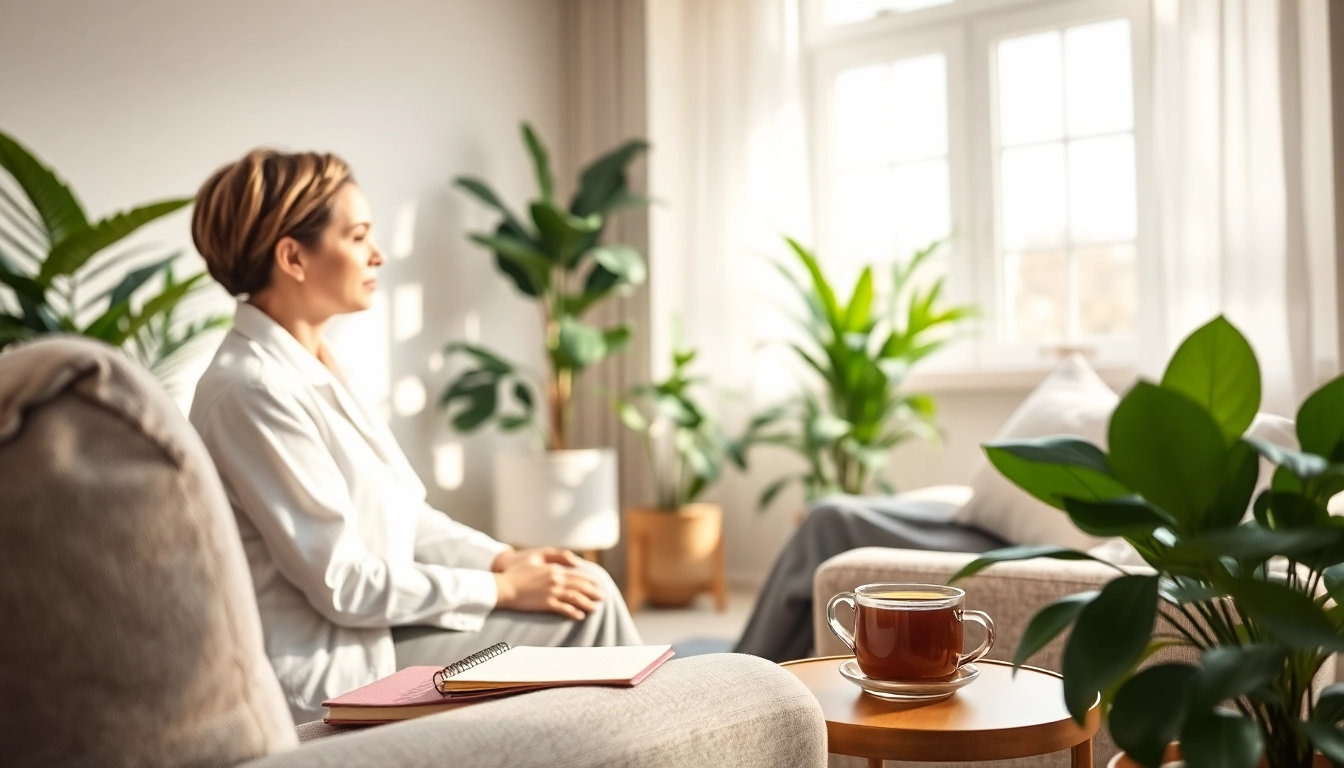
Self-care plays a vital role in managing anxiety symptoms. Simple everyday practices can help mitigate the effects of anxiety. Some effective self-care strategies include:
- Establishing a routine: Predictability can offer a sense of control.
- Journaling: Writing down thoughts can help manage emotions and recognize patterns.
- Setting boundaries: Learning to say no can prevent overcommitment and reduce stress.
- Engaging in hobbies: Focusing on enjoyable activities can improve mood.
These practices can be tailored to individual needs, making them a flexible choice for managing anxiety symptoms.
Support Systems for Anxiety Symptoms
A strong support system can significantly ease the burden of anxiety symptoms. Family, friends, and community resources can play essential roles.
Role of Family and Friends in Addressing Anxiety Symptoms
Family and friends can be invaluable allies in managing anxiety symptoms. They can offer emotional support by:
- Listening: Being available to listen without judgment can be comforting.
- Encouraging professional help: They can help individuals seek necessary treatment and reduce isolation.
- Participating in activities: Involving loved ones in exercises, such as group workouts or mindfulness sessions, can foster connection.
Their involvement can create a supportive environment conducive to recovery.
Community Resources for Anxiety Symptoms Support
Many communities offer resources for managing anxiety symptoms. These may include:
- Local support groups: Often facilitated by certified professionals or volunteers.
- Workshops and seminars: Educational opportunities to learn coping strategies and connect with others.
- Crisis hotlines: Immediate support from trained individuals during peak anxiety moments.
Leveraging these resources can provide essential strategies and a sense of belonging.
Online Support Groups for Anxiety Symptoms
In today's digital age, online support groups and communities can be a valuable tool for those suffering from anxiety symptoms. The benefits include:
- Anonymity: Participants can share experiences without judgment.
- Accessibility: Online groups are often available 24/7, offering support when needed most.
- Diverse perspectives: Individuals from various backgrounds can share unique coping strategies.
Engaging in online forums can help alleviate feelings of isolation and provide practical advice.
FAQs About Anxiety Symptoms
What causes anxiety symptoms?
Anxiety symptoms can arise from a combination of genetic, environmental, and psychological factors, including past trauma and chronic stress.
How can I calm myself during anxiety symptoms?
Practicing deep breathing, mindfulness techniques, or grounding exercises can help calm both the mind and body during anxiety symptoms.
Are anxiety symptoms the same for everyone?
No, anxiety symptoms vary greatly among individuals, influenced by personal experiences, genetics, and coping mechanisms.
What are common strategies to manage anxiety symptoms?
Common strategies include mindfulness, regular exercise, healthy eating, therapy, and establishing a solid support network.
When should I seek professional help for anxiety symptoms?
Consider seeking professional help if anxiety symptoms interfere with daily activities, relationships, or overall quality of life.