In today’s fast-paced world, almost everyone experiences moments of stress and anxiety. While these emotions are a natural part of life, understanding their symptoms and learning effective coping strategies is essential for maintaining emotional well-being. At Calm Minds Hub, we aim to provide clear, evidence-based insights into Stress and anxiety, helping you recognize the signs and apply practical tools for a calmer, healthier life.
Understanding Stress and Anxiety
Stress and anxiety are often used interchangeably, but they are distinct experiences. Stress typically arises from external pressures or demands, such as school, work, or personal responsibilities. Anxiety, on the other hand, is an internal response characterized by persistent worry, fear, or nervousness, even in the absence of an immediate threat.
Both stress and anxiety can have physical, emotional, and behavioral effects. Recognizing the symptoms early is crucial for preventing long-term health issues and improving quality of life.
Common Symptoms of Stress and Anxiety
Physical Symptoms
Stress and anxiety often manifest in the body, sometimes even before emotional symptoms are noticeable. Common physical signs include:
- Increased heart rate or palpitations
- Muscle tension, particularly in the neck, shoulders, or back
- Headaches or migraines
- Fatigue or difficulty sleeping
- Upset stomach, nausea, or digestive issues
- Sweating or trembling
For example, a student preparing for exams might experience tension headaches and difficulty sleeping, which can make studying even more challenging.
Emotional Symptoms
Emotional reactions are another clear indicator of stress and anxiety. These can include:
- Irritability or mood swings
- Persistent worry or fear
- Feeling overwhelmed or helpless
- Difficulty concentrating or making decisions
- Low motivation or loss of interest in usual activities
For instance, someone facing workplace pressures may feel constantly on edge, snap at colleagues, or struggle to focus on tasks.
Behavioral Symptoms
Stress and anxiety also affect behaviors. Some common signs include:
- Avoiding social interactions or responsibilities
- Procrastination or disorganization
- Changes in appetite, either overeating or undereating
- Increased use of alcohol, caffeine, or other substances to cope
A real-life example is a young adult avoiding social events because of anxiety, which can inadvertently increase feelings of isolation and stress.
Root Causes of Stress and Anxiety
Understanding what triggers stress and anxiety can help in managing these experiences effectively. Common causes include:
- Life Transitions: Moving to a new city, starting a new job, or changing schools can create uncertainty and stress.
- Work or Academic Pressure: Deadlines, exams, and performance expectations often trigger anxiety.
- Relationship Issues: Conflicts with family, friends, or partners can increase emotional strain.
- Financial Concerns: Worries about money and stability are common stressors.
- Health Concerns: Chronic illness or worrying about personal health can contribute to persistent anxiety.
Recognizing these causes helps in tailoring coping strategies to address specific stressors.
Effective Coping Tools for Stress and Anxiety
Managing stress and anxiety involves adopting healthy strategies that support both the mind and body.
Mindfulness and Meditation
Mindfulness practices encourage awareness of the present moment without judgment. Regular meditation can reduce stress hormone levels, improve focus, and enhance emotional resilience.
How to start:
- Set aside 10 minutes daily for deep breathing exercises
- Focus on sensations, thoughts, and feelings without judgment
- Use guided meditation apps if needed
Physical Activity
Exercise is a powerful tool for reducing stress and anxiety. Physical activity releases endorphins, which are natural mood boosters.
Examples include:
- Walking, jogging, or cycling
- Yoga or stretching exercises
- Dancing or team sports
Even 20–30 minutes of moderate activity daily can make a significant difference in emotional well-being.
Time Management and Organization
Stress often arises from feeling overwhelmed by responsibilities. Effective time management helps reduce anxiety by creating structure.
Practical tips:
- Break tasks into smaller, manageable steps
- Prioritize urgent and important tasks
- Use planners, calendars, or apps to track progress
Social Support
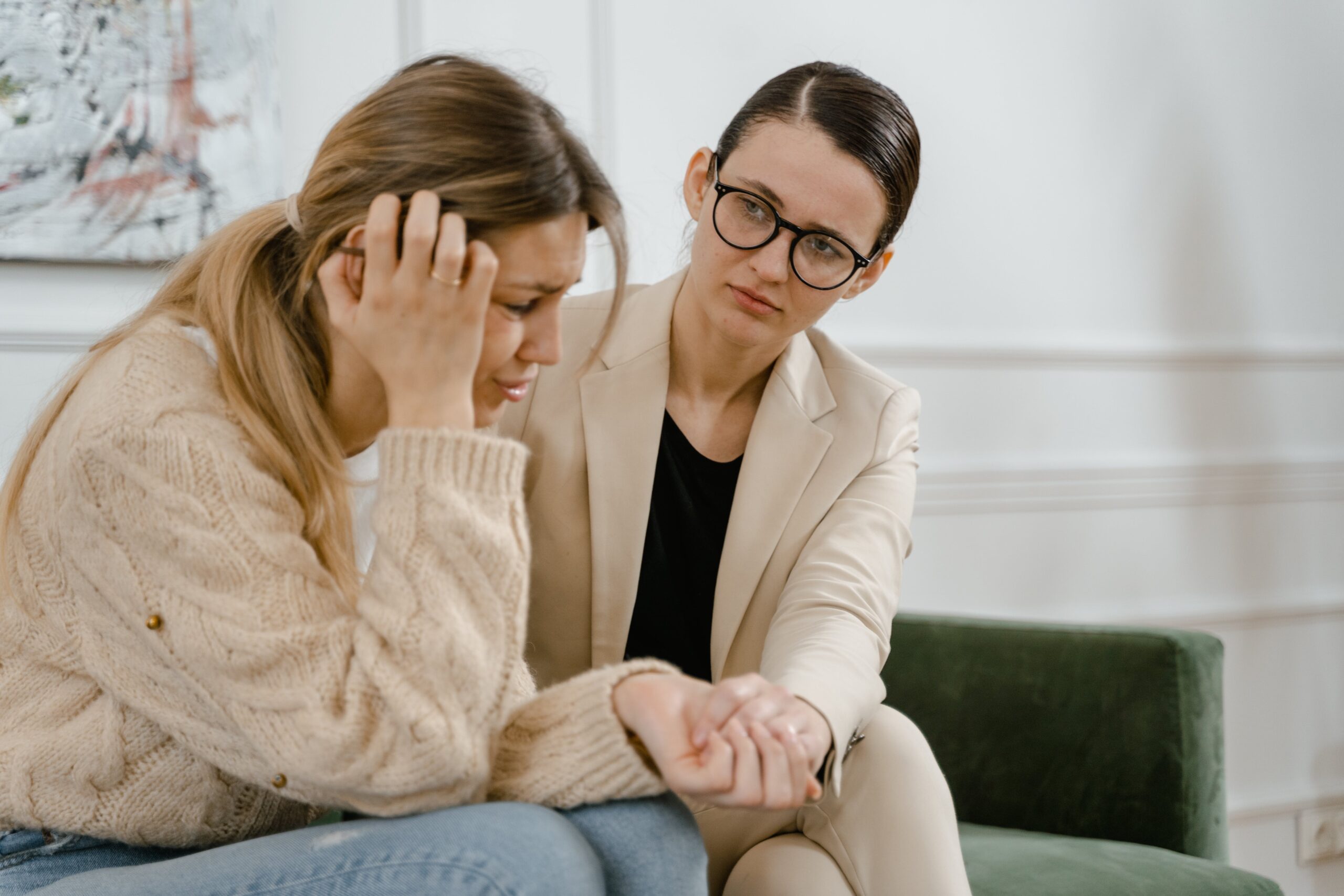
Connecting with friends, family, or support groups can alleviate stress and anxiety. Talking about your feelings helps reduce emotional burden and provides perspective.
Real-life example: Sharing concerns with a trusted friend can reduce feelings of isolation and foster problem-solving strategies.
Cognitive Behavioral Techniques
Cognitive-behavioral strategies focus on changing negative thought patterns that fuel anxiety. Techniques include:
- Identifying irrational or unhelpful thoughts
- Challenging negative assumptions
- Replacing them with balanced, realistic perspectives
For instance, instead of thinking, “I will fail this test,” reframe it as, “I am prepared and will do my best.”
Relaxation Techniques
Simple relaxation methods can help calm the nervous system and reduce anxiety. These include:
- Deep breathing exercises
- Progressive muscle relaxation
- Visualization of calm environments
Regular practice can create a sense of control and reduce the intensity of stress responses.
Lifestyle Adjustments
Adopting healthy lifestyle habits can strengthen resilience against stress and anxiety. These include:
- Maintaining a balanced diet
- Ensuring consistent sleep routines
- Limiting caffeine and alcohol consumption
- Incorporating hobbies or creative outlets for relaxation
Real-Life Case Study
Consider Sarah, a high school student experiencing intense stress before her final exams. She faced headaches, irritability, and difficulty concentrating. By applying coping tools such as daily meditation, exercise, structured study schedules, and talking with friends, Sarah gradually reduced her anxiety. She slept better, focused more efficiently, and felt more confident, illustrating how practical coping strategies can transform emotional experiences.
Recognizing When to Seek Professional Help
While coping tools are effective for managing everyday stress and anxiety, professional support may be necessary when:
- Symptoms persist for weeks or months
- Daily functioning is impaired (work, school, relationships)
- Physical symptoms are severe or unexplained
- Panic attacks, intense fear, or depressive episodes occur
Mental health professionals can provide therapy, counseling, or medications tailored to individual needs. Early intervention ensures better outcomes and long-term emotional well-being.
Building Long-Term Emotional Resilience
In addition to immediate coping strategies, cultivating long-term resilience is essential for managing stress and anxiety.
Key practices include:
- Regular self-reflection and journaling
- Developing problem-solving skills
- Practicing gratitude and positive thinking
- Maintaining supportive social connections
- Setting realistic goals and expectations
By integrating these practices into daily life, individuals can better handle future stressors and maintain balanced emotional health.
Conclusion
Understanding stress and anxiety is the first step toward effective management. Recognizing physical, emotional, and behavioral symptoms allows individuals to respond early and adopt coping tools that promote calmness and emotional stability. Mindfulness, physical activity, social support, cognitive strategies, relaxation techniques, and lifestyle adjustments all contribute to improved mental well-being. By consistently applying these tools and seeking professional support when necessary, anyone can achieve a healthier, more resilient mind, ultimately leading to a calmer, balanced life. Our homepage is your go-to spot for fresh, reliable content.
FAQs
What are the main differences between stress and anxiety?
Stress is usually a response to external pressures and is often temporary, while anxiety is a persistent internal feeling of worry or fear that may occur even without an immediate threat.
How can daily habits reduce stress and anxiety?
Daily habits such as regular exercise, meditation, structured routines, balanced nutrition, and adequate sleep can reduce the intensity of stress and anxiety by supporting physical and emotional health.
When should someone seek professional help for stress and anxiety?
Professional help is recommended if symptoms persist for weeks, disrupt daily life, or involve severe physical symptoms, panic attacks, or depressive episodes. Early intervention improves outcomes.