
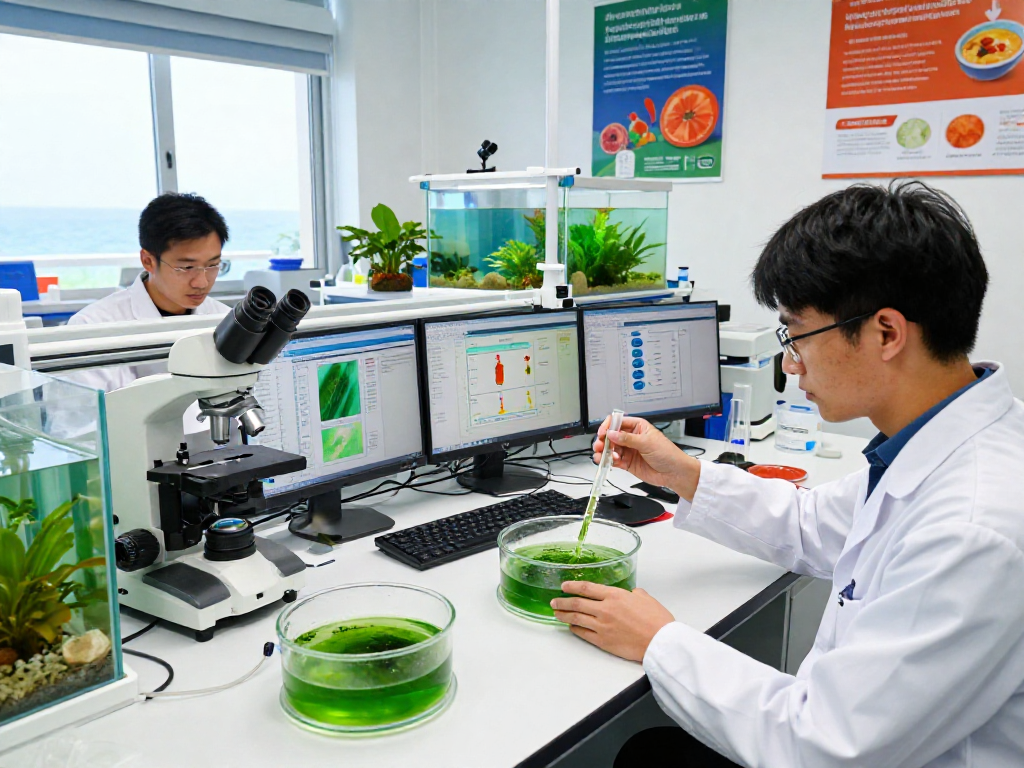
Introduction to Microalgae Astaxanthin
Microalgae astaxanthin has garnered significant attention in recent years due to its impressive health benefits and applications in nutrition. This powerful antioxidant, derived from certain species of microalgae, is renowned for its vibrant red pigment and has been heralded as a superfood component essential for human health. As consumers become more health-conscious, exploring options for incorporating microalgae astaxanthin into their diets can be an invaluable step toward enhancing overall wellness.
What is Microalgae Astaxanthin?
Astaxanthin is a carotenoid pigment that occurs naturally in various microalgae, particularly in the genus *Haematococcus*. This compound is responsible for the pink to red coloration observed in certain seafood, such as salmon and shrimp, as well as in flamingos that consume these crustaceans. Astaxanthin is of particular interest due to its unique molecular structure, which allows it to exhibit potent antioxidant properties, significantly more effective than other well-known antioxidants like vitamin E and beta-carotene.
History and Discovery
The discovery of astaxanthin dates back to the early 20th century, when scientists first identified its presence in various marine life forms. However, it wasn't until the 1990s that the compound gained notoriety for its health benefits. Research began to focus on its potential to combat oxidative stress and inflammation, leading to significant advancements in dietary supplements and functional foods. With continued research, interest in microalgae astaxanthin has surged, establishing its reputation as a nutritional powerhouse.
Importance in Nutrition
Microalgae astaxanthin plays a crucial role in nutrition, serving as a dietary supplement and ingredient in food products aimed at enhancing health. Its antioxidant properties help neutralize free radicals, reducing oxidative stress and contributing to overall health. Moreover, astaxanthin has been linked to improved skin health, enhanced endurance in physical activities, and various cardiovascular benefits, making it a vital component of a balanced diet.
Health Benefits of Microalgae Astaxanthin
Antioxidant Properties
The primary appeal of microalgae astaxanthin lies in its powerful antioxidant capabilities. Antioxidants are essential for fighting free radicals that cause cellular damage, thereby contributing to chronic diseases and aging. Studies have shown that astaxanthin can eliminate singlet oxygen and other reactive species effectively, providing a higher antioxidant capacity than many other carotenoids. This property makes it an excellent choice for those seeking to bolster their body's defense mechanisms.
Impact on Skin Health
Astaxanthin's benefits extend beyond internal health to significant skin advantages. Research indicates that astaxanthin can improve skin elasticity, reduce the appearance of wrinkles, and protect against UV-induced skin damage. As a result, many skincare products now incorporate this potent antioxidant, and dietary supplementation is becoming increasingly popular among those aiming for youthful, healthy skin.
Potential Cardiovascular Benefits
Emerging studies suggest that microalgae astaxanthin may offer protective benefits for cardiovascular health. Its anti-inflammatory properties are believed to help reduce arterial stiffness and support healthy blood flow. Furthermore, astaxanthin can improve serum lipid profiles, which is vital for maintaining heart health. Therefore, incorporating this antioxidant into one's diet can be beneficial for those looking to promote cardiovascular wellness.
Production and Sourcing
Methods of Cultivation
Microalgae are cultivated using different methods, primarily relying on either open raceway ponds or closed photobioreactors. Open systems are cost-effective but can be vulnerable to contamination and environmental factors, while closed systems provide better control over growing conditions and yield. The choice of cultivation method significantly impacts the quality and purity of astaxanthin, making it essential to adopt the best practices for optimal results.
Extraction Techniques
Once cultivated, extracting astaxanthin from microalgae requires careful consideration to preserve its potency. Common extraction methods include solvent extraction, supercritical CO2 extraction, and cold pressing. Each method has its advantages and challenges, and the choice can affect the final product's efficacy and purity. Manufacturers often seek the most efficient techniques to ensure high-quality astaxanthin while minimizing environmental impact.
Sustainable Sourcing Practices
With the increasing demand for microalgae astaxanthin, sustainable sourcing has become a priority. Producers are now focusing on environmentally friendly practices such as using renewable energy sources, recycling water used in cultivation, and employing sustainable land use practices. By ensuring that microalgae is cultivated responsibly, companies can help meet consumer demand while preserving the ecosystems from which these powerful antioxidants are sourced.
Applications in Supplements and Foods
Formulation in Nutritional Supplements
Microalgae astaxanthin is increasingly recognized as a valuable ingredient in nutritional supplements. It is often found in soft gels, capsules, and powders aimed at enhancing overall health. The versatility of astaxanthin allows manufacturers to create formulations tailored to specific health goals, such as boosting energy levels, supporting healthy skin, or promoting heart health, catering to a growing market of health-conscious consumers.
Integration in Food Products
Beyond supplements, microalgae astaxanthin is making its way into various food products. Manufacturers are incorporating it into functional foods like smoothies, snacks, and energy bars. Its vibrant color not only enhances the aesthetic appeal of these foods but also boosts their nutritional profile. As awareness of astaxanthin's benefits spreads, more food products are expected to feature this potent antioxidant.
Market Trends for 2026
As we look ahead to 2026, the market for microalgae astaxanthin is anticipated to grow significantly. The rising trend towards plant-based diets and natural health products is driving demand for astaxanthin-rich supplements and food items. Additionally, increased consumer education regarding the benefits of antioxidants suggests that astaxanthin will become a staple in health and wellness markets worldwide, leading to further innovation and product development.
Future Directions and Innovations
Emerging Research and Trends
Ongoing research is expected to uncover more applications and health benefits associated with microalgae astaxanthin. Studies are being conducted to explore its potential in sports nutrition, cognitive function, and even its anti-aging properties. As findings emerge, they will likely influence product formulations and marketing strategies across various sectors.
Regulatory Considerations
As the popularity of microalgae astaxanthin continues to rise, regulatory considerations surrounding its use in food and supplements will become increasingly important. Regulatory bodies will need to establish guidelines to ensure safety and efficacy, thereby protecting consumers and fostering trust in the products bearing this potent antioxidant.
Consumer Awareness and Education
Consumer education is vital for the continued growth of the microalgae astaxanthin market. As people become more interested in natural health solutions, it is essential to provide clear, evidence-based information about the benefits and sources of astaxanthin. Educational campaigns can empower consumers to make informed decisions regarding supplementation and dietary choices.
What are the side effects of microalgae astaxanthin?
Microalgae astaxanthin is generally recognized as safe for most individuals when consumed in appropriate doses. However, some people may experience mild side effects such as stomach upset or skin discoloration in rare cases. Consultation with a healthcare professional is advisable for those considering supplementation, especially if they have pre-existing health conditions or are pregnant.
How is microalgae astaxanthin sourced sustainably?
To ensure sustainable sourcing of microalgae astaxanthin, producers often implement eco-friendly practices such as closed-loop cultivation systems that minimize resource use and environmental impact. Moreover, many companies are engaging in responsible land use and energy practices, supporting sustainability throughout the supply chain.
What are the recommended dosages for health benefits?
The optimal dosage of microalgae astaxanthin varies based on individual health goals and product formulations. Commonly recommended dosages range from 4 to 12 mg per day for general health benefits. However, individuals should always refer to product labels or consult healthcare providers for personalized recommendations.
Are there any clinical studies on astaxanthin?
Yes, numerous clinical studies have investigated the health benefits of astaxanthin, particularly regarding its antioxidant properties, skin health, and cardiovascular benefits. These studies provide a strong foundation of evidence supporting the diverse applications of astaxanthin in health and wellness.
How does microalgae astaxanthin compare to other antioxidants?
Microalgae astaxanthin stands out among antioxidants due to its unique molecular structure, which provides a high level of protection against oxidative stress. Research indicates that it is significantly more potent than other common antioxidants, like vitamin C and E, making it a preferred choice for those looking to enhance their antioxidant intake.