
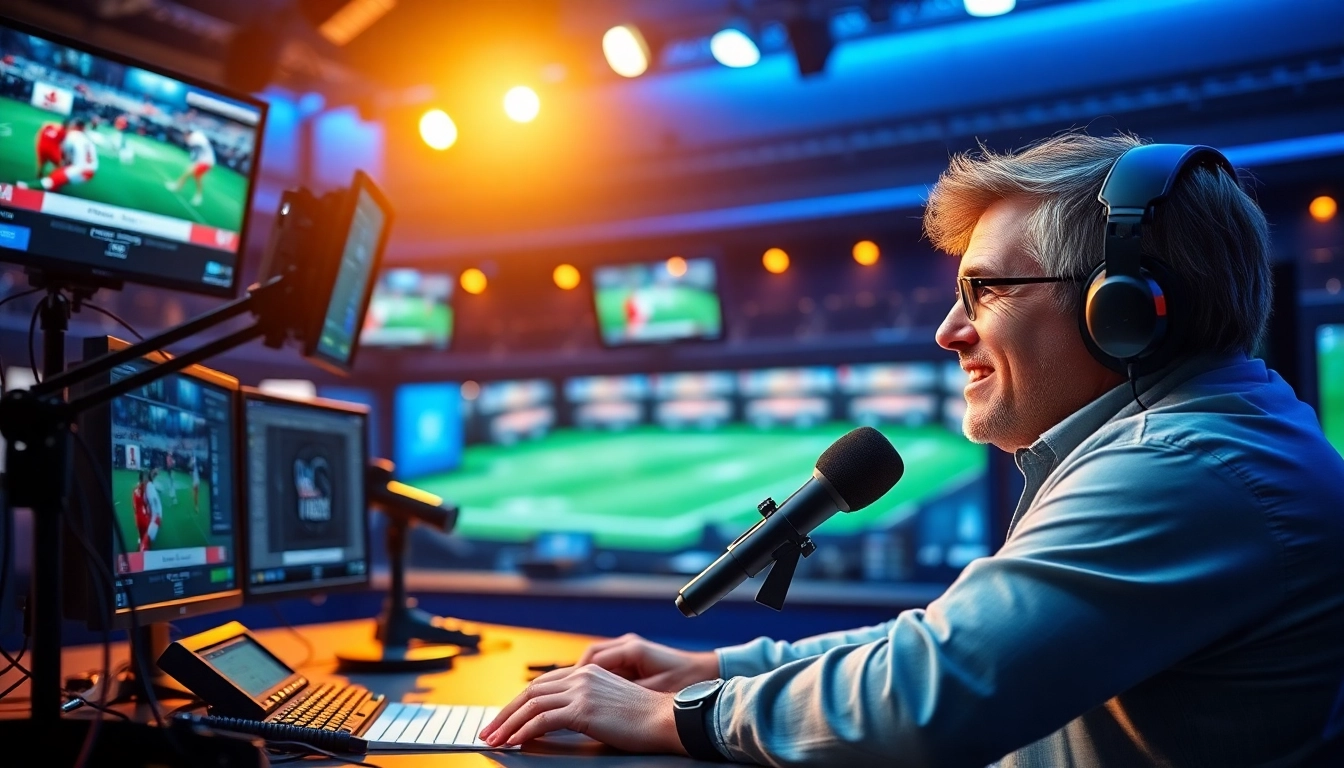
Understanding the Landscape of Sports Broadcasting
The realm of Sports Broadcasting has evolved dramatically over the decades, becoming a vital component of the sports industry. With advancements in technology and changes in viewer habits, the landscape is continuously transforming, creating both opportunities and challenges. From the earliest radio broadcasts to today’s immersive experiences that leverage digital platforms, understanding this landscape is essential for anyone involved in or interested in the field.
The Evolution of Sports Broadcasting
Sports broadcasting began in the early 1920s when radio became the primary medium for transmitting live sports events. These initial broadcasts offered fans a new way to experience games, albeit in a limited capacity. As television gained prominence in the mid-20th century, the viewing experience changed irrevocably. The introduction of color television, instant replays, and specialized sports channels revolutionized how audiences engaged with their favorite sports.
In recent years, the digital age has further transformed this landscape. The rise of online streaming platforms has enabled consumers to access sports content anytime and anywhere. The concept of "cord-cutting" has become prevalent as viewers seek flexibility away from traditional cable subscriptions. This evolution has not only increased the number of available content options but also enhanced the viewer experience through innovative features such as personalized highlights and interactive elements.
Key Players in the Industry
The sports broadcasting industry is populated by various key players, including television networks, streaming services, and digital platforms. Major television networks have long dominated the market, while emerging platforms like sports-specific streaming services and social media networks are increasingly gaining traction. This diversification highlights the competition to capture audience attention, offering unique content and various viewing options.
In addition to traditional broadcasters, tech companies have entered the fray, investing heavily in sports broadcasting capabilities. The collaboration between sports organizations and technology firms is leading to innovative solutions such as augmented reality features and advanced analytics, further enhancing the viewing experience. This competitive landscape drives continual evolution, forcing all players to adapt to ever-changing viewer preferences.
Market Trends and Viewer Preferences
Understanding current market trends and viewer preferences is crucial for anyone involved in sports broadcasting. Recent trends indicate a pronounced shift toward personalized content experiences, interactivity, and the use of social media for real-time engagement. Viewers increasingly prefer platforms that offer instant access to highlights, behind-the-scenes content, and interactive features like polls and live chats.
The growing interest in global sports events has pushed organizations to cater to diverse audiences, often broadcasting content in multiple languages or offering commentary by local sports commentators. This approach creates a familiar connection for viewers and enhances engagement. Another significant trend is the demand for exclusive content, such as in-depth analysis and athlete interviews, which foster loyalty among viewers.
Core Elements of Effective Sports Broadcasting
Essential Tools and Technologies
To succeed in sports broadcasting, it’s crucial to leverage the right tools and technologies. High-quality cameras, multi-angle replays, and drone technology can enhance the viewing experience by providing diverse perspectives of events. Additionally, software applications that facilitate real-time statistics and visual graphics play a pivotal role in delivering relevant insights during broadcasts.
Furthermore, audio technology is equally important in ensuring clear and engaging commentary. Investment in microphones and sound equipment enhances the listening experience, allowing commentators to convey their insights effectively and create a connection with the audience. Live streaming technology is also vital, enabling broadcasters to deliver content seamlessly across multiple platforms.
Skills Required for Successful Broadcasting
A successful sports broadcaster must possess a range of skills beyond just on-screen presence. Strong communication skills are paramount, allowing broadcasters to articulate thoughts clearly and engage the audience. Knowledge of sports rules, statistics, and analytics also plays a crucial role in providing valuable insights during coverage.
Additionally, adaptability is essential for responding to unexpected changes during live events, such as injuries or unexpected weather conditions. Creativity in storytelling helps convey the drama of the sports narrative while maintaining audience engagement. Lastly, technical proficiency in using broadcasting equipment and software is crucial for executing a seamless production.
Crafting Compelling Narrative in Sports
At its core, sports broadcasting is about storytelling. Crafting a compelling narrative transforms a simple play-by-play coverage into an engaging experience. Broadcasters should strive to connect emotionally with their audience by highlighting athletes' journeys, rivalries, and the stakes involved in a matchup. The key is finding a balance between statistics and storytelling—using data to back up narratives while ensuring the human element remains front and center.
Utilizing anecdotes and relatable moments further enhances the narrative, allowing viewers to connect with the athletes on a personal level. In-depth interviews and historical glimpses can also enrich the storytelling process, providing context that makes the rivalry or match significant. Ultimately, a well-told story not only captivates viewers but fosters loyalty and cultivates a deeper understanding of the sport.
Building an Engaged Audience
Strategies for Audience Engagement
Engagement is the lifeblood of sports broadcasting, and broadcasters must implement strategies tailored to their audience. Developing interactive content through polls, quizzes, and contests can significantly enhance viewer participation. Creating segments that invite audience questions or comments fosters a sense of community and allows fans to feel involved in the discussion.
Furthermore, personalization is critical for engaging viewers. Customized content recommendations based on viewing habits or preferences help cater to individual needs. Broadcasters can also leverage viewer feedback to fine-tune their offerings and introduce new features or segments that resonate with their audience.
Leveraging Social Media for Broader Reach
Social media platforms are powerful tools for expanding the reach of sports broadcasts. Broadcasters should strategically utilize platforms such as Twitter, Facebook, and Instagram to provide real-time updates and engage with their audience. Regular posts, story features, and behind-the-scenes content can generate excitement and anticipation before games.
Additionally, social media facilitates immediate feedback from viewers, allowing broadcasters to gauge audience reactions and adjust accordingly. Influencers and athletes participating in social media conversations also create opportunities for organic promotion, adding authenticity to the outreach efforts. Therefore, a strong social media presence complements traditional broadcasting channels effectively.
Feedback Mechanisms to Improve Broadcasting
Incorporating structured feedback mechanisms is vital for broadcasters aiming to continuously improve their output. Surveys, polls, and focus groups can provide valuable insights into viewer preferences, helping to identify strengths and areas for growth. This feedback loop fosters a culture of continual enhancement and ensures broadcasts align with audience expectations.
Analyzing engagement metrics also plays a significant role in understanding viewer behavior and tailoring content to meet their needs. Metrics such as viewer retention rates, average watch time, and interaction levels provide a clearer picture of what resonates with the audience, informing strategic decisions for future broadcasts.
Challenges in Sports Broadcasting
Dealing with Technical Glitches
Despite advances in technology, technical glitches remain a significant challenge in sports broadcasting. Equipment malfunctions, connectivity issues, and unexpected changes in event schedules can disrupt broadcasts and lead to viewer dissatisfaction. A robust backup plan is essential for addressing these potential technical difficulties swiftly.
Regularly testing and maintaining broadcasting equipment, utilizing failed-over systems, and training staff to troubleshoot are vital steps that can minimize the impact of technical problems. Being transparent with viewers about issues can also go a long way in preserving trust and maintaining engagement during unforeseen circumstances.
Managing On-Air Pressure
Live broadcasts inevitably bring a level of pressure that can challenge even the most seasoned broadcasters. The need to deliver accurate and engaging content while under time constraints requires a high level of composure and quick thinking. Implementing techniques such as pre-broadcast rehearsals and scripts can help alleviate some pressure without sacrificing spontaneity.
Supportive team dynamics also matter. A strong on-camera presence calls for camaraderie among commentators, producers, and technical staff to create a steady, cohesive environment. Establishing a backup commentator or system allows for continuity in case of unexpected issues. Ultimately, commitment to preparation and team support helps broadcasters thrive under pressure.
Navigating Legal and Ethical Standards
The sports broadcasting sector operates within legal and ethical frameworks that broadcasters must navigate diligently. Regulations concerning broadcasting rights, licensing agreements, and intellectual property require broadcasters to ensure compliance at all levels. Failure to do so could result in penalties, lawsuits, or damage to reputation.
In addition, ethical considerations such as fair reporting and responsible commentary must guide broadcasters in their daily responsibilities. Awareness of biases and maintaining journalistic integrity fosters trust within the audience and reinforces the broadcaster’s credibility within the industry.
The Future of Sports Broadcasting
Emerging Technologies Impacting Broadcasting
The future of sports broadcasting is poised to be shaped by emerging technologies, particularly artificial intelligence (AI) and machine learning. These advancements have the potential to revolutionize data analysis, enabling broadcasters to deliver hyper-relevant content based on viewer preferences. AI-driven insights can help to create targeted advertisements, personalized content, and enhance engagement risk-free.
Furthermore, predictive analytics can enhance content delivery. By analyzing vast datasets, broadcasters can anticipate viewer sentiment and preferences, adjusting their offerings accordingly to ensure maximum engagement. This data-driven approach will further solidify the relationship between broadcasters and their audiences.
The Role of Virtual and Augmented Reality
Virtual and augmented reality technologies are set to provide immersive experiences for sports viewers. These technologies allow fans to engage with sporting events in groundbreaking ways, such as experiencing games from different angles or even virtually stepping onto the field. As AR and VR technology become more accessible, they can significantly enrich the viewer experience and reshape how audiences engage with sports.
Broadcasting companies that invest in VR and AR are pioneering new engagement opportunities. These efforts could range from virtual viewing parties allowing fans to connect regardless of location to AR overlays providing deeper insights into player statistics during live events, fostering a new level of viewer interaction.
Predictions for Audience Engagement Trends
As the landscape of sports broadcasting continues to evolve, certain trends appear poised to shape audience engagement strategies. The use of short-form content is on the rise, driven largely by the popularity of social media platforms that cater to on-the-go viewing. Quick highlights, player interviews, and recaps that succinctly present essential moments are likely to become staples of broadcasting strategies.
Moreover, the integration of interactive features such as polls, live feedback, and gamification will likely enhance viewer engagement. Audiences crave connection, and offering incentives for participation through scoring systems or rewards can foster loyalty. The future promises a continual evolution of the broadcasting model, emphasizing audience interaction as a key component of successful broadcasts.
Frequently Asked Questions
What is sports broadcasting?
Sports broadcasting refers to the transmission of sports events through various media channels, including television, radio, and online platforms.
How has technology impacted sports broadcasting?
Technology has revolutionized sports broadcasting by enabling high-definition broadcasts, real-time analytics, and interactive features for viewers.
What skills are needed for sports broadcasters?
Successful sports broadcasters need strong communication skills, sports knowledge, adaptability, storytelling ability, and technical proficiency.
How do social media platforms enhance sports broadcasting?
Social media expands audience reach, allows real-time engagement, and provides instant feedback, making it a critical part of sports broadcasting strategies.
What emerging technologies are influencing sports broadcasting?
Emerging technologies such as artificial intelligence, virtual reality, and augmented reality are shaping the future of sports broadcasting by enhancing viewer experiences.