Understanding Custom Steel Fabrication
Custom steel fabrication is a multifaceted industry that plays a crucial role in building infrastructure, machinery, and countless other applications. It involves the design, cutting, shaping, and assembly of steel structures tailored to specific client requirements. The increasing demand for customized solutions in sectors such as construction, automotive, and aerospace has made custom steel fabrication a vital aspect of modern manufacturing.
What is Custom Steel Fabrication?
Custom steel fabrication refers to the process of creating metal products tailored to individual specifications. This process encompasses steps like design, cutting, machining, welding, and finishing. Customization ensures that the fabricated steel meets the specific needs of various industries, whether it's for structural components, industrial equipment, or artistic pieces. The ability to create unique products capable of fulfilling precise requirements sets custom steel fabrication apart from standard manufacturing practices.
Importance of Custom Steel Fabrication in Various Industries
Various industries rely heavily on custom steel fabrication due to its adaptability and precision. In construction, for example, customized beams, trusses, and columns are essential for ensuring structural integrity and compliance with local regulations.
- Aerospace: Components must meet stringent safety and performance specifications.
- Automotive: Custom parts optimize vehicle performance and aesthetics.
- Manufacturing: Tailored solutions maximize efficiency in production lines.
As industry demands evolve, the capability to offer customized steel solutions becomes increasingly significant for maintaining competitiveness and meeting client expectations.
Overview of the Custom Steel Fabrication Process
The custom steel fabrication process typically involves several key stages:
- Design: Engineers and designers collaborate to develop precise specifications and schematics.
- Material Selection: Choosing the appropriate steel grade and thickness based on application requirements.
- CNC Machining: Utilizing computer-controlled machines for accurate cuts and shapes.
- Welding: Joining steel parts together using various welding techniques for sturdy assembly.
- Finishing: Surface treatments like painting or galvanizing to enhance durability.
- Quality Control: Conducting inspections to ensure the final products meet all specified standards.
Each stage of this multifaceted process is vital to the outcome, influencing both the integrity and performance of the final product in its intended application.
Key Techniques in Custom Steel Fabrication
CNC Machining in Custom Steel Fabrication
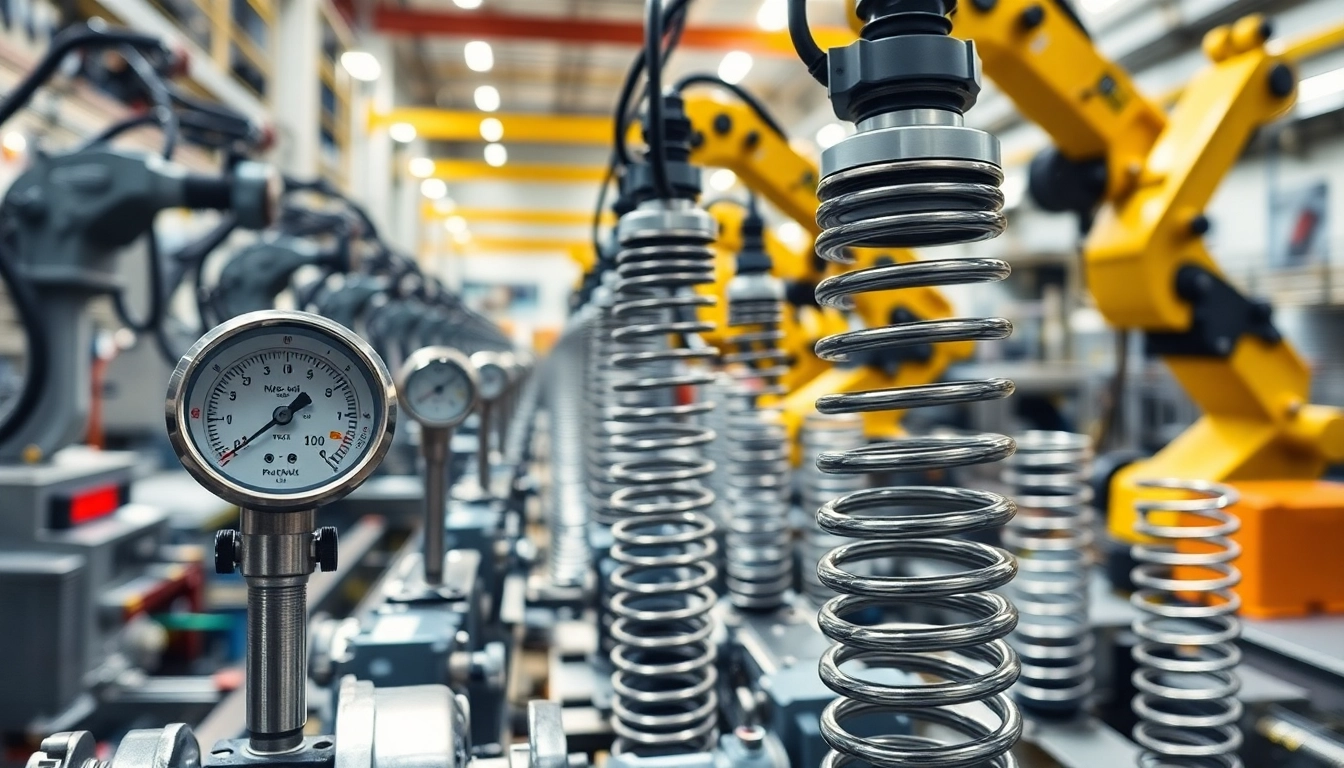
CNC (Computer Numerical Control) machining is a pivotal aspect of custom steel fabrication. It involves the use of computer-controlled machines to execute precise cutting, drilling, and milling actions on steel materials. This technique offers various benefits:
- Precision: Enhanced accuracy leads to high-quality components that fit perfectly in their intended applications.
- Repeatability: CNC machines can produce identical parts consistently, which is crucial for large-scale manufacturing.
- Versatility: Capable of handling diverse shapes and sizes, allowing for intricate designs.
Through advanced programming, fabricators can quickly adapt designs, making CNC machining an indispensable technique in the realm of custom steel fabrication.
Welding Methods for Custom Steel Fabrication
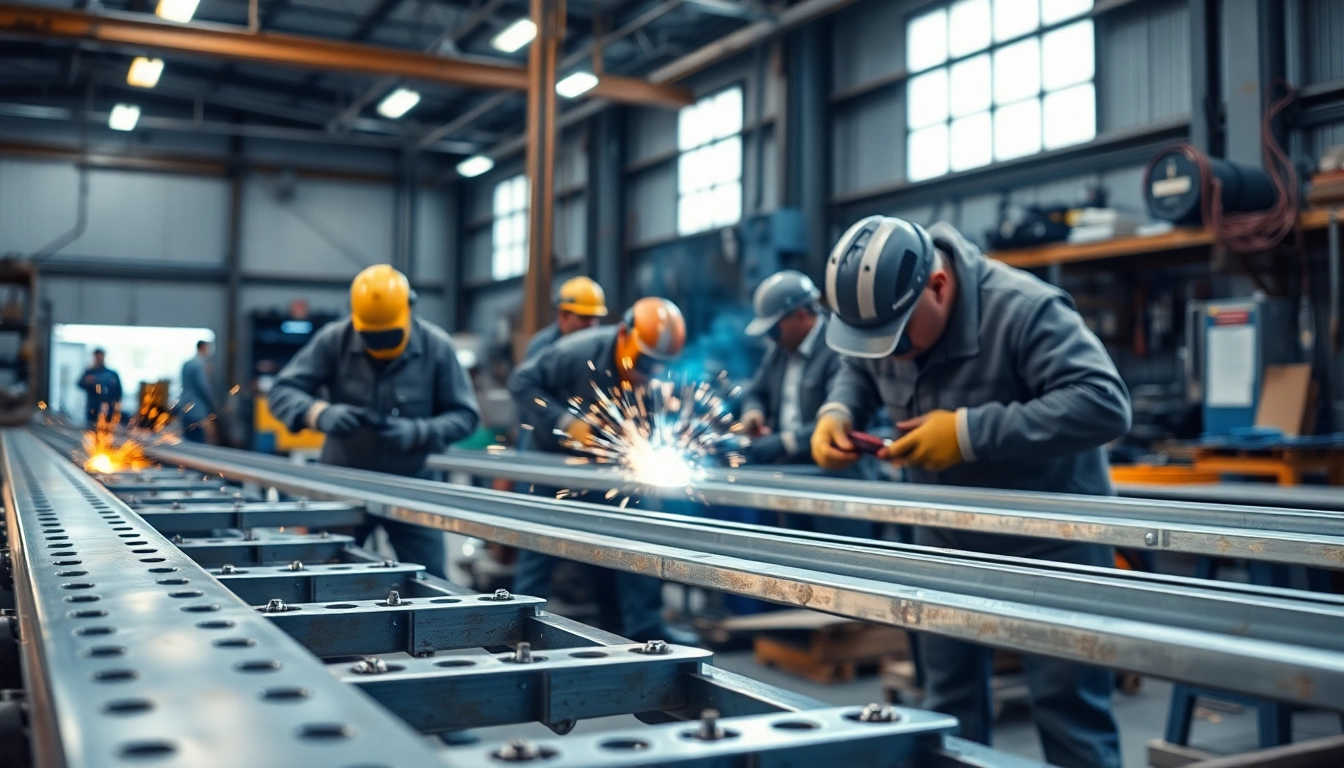
Welding is fundamental in custom steel fabrication, as it joins different steel components to form a cohesive structure. Several welding methods are commonly employed:
- MIG Welding: Common for its ease of use and versatility, ideal for various thicknesses.
- TIG Welding: Provides high precision and is often used for thinner materials.
- Stick Welding: Known for its effectiveness in outdoor environments and with rusty or dirty materials.
Choosing the appropriate welding method depends on factors like material type, thickness, and environmental conditions during the fabrication process. A thorough understanding of these methods allows fabricators to select the best technique for each project, ensuring maximum strength and durability.
Finishing Techniques in Custom Steel Fabrication
The finishing stage in custom steel fabrication serves to increase the aesthetic and functional characteristics of the steel product. Common finishing techniques include:
- Painting: Provides a protective layer against corrosion while also improving visual appeal.
- Galvanizing: Involves coating steel with zinc, enhancing rust resistance.
- Polishing: Creates a smooth surface finish, often used for decorative applications.
Choosing the right finishing technique is crucial, as it can enhance both the appearance and longevity of the steel products while protecting them from environmental factors.
Applications of Custom Steel Fabrication
Custom Steel Fabrication in Construction
The construction industry is one of the largest consumers of custom steel fabrication. Steel is renowned for its strength, durability, and versatility, making it the material of choice for various structural components:
- Beams and Columns: Essential for structural stability, beams and columns can be produced in various shapes and sizes to suit project requirements.
- Reinforcements: Custom fabricated steel reinforcements are critical in ensuring the longevity and safety of buildings.
- Architectural Features: Customized stainless steel products enhance the aesthetic appeal of structures.
These applications underline the pivotal role of custom steel fabrication in creating safe, efficient, and visually appealing buildings.
Industrial Applications of Custom Steel Fabrication
In industrial settings, custom steel fabrication is essential for manufacturing machinery, equipment, and various components tailored to specific operational needs:
- Conveyor Systems: Fabricated to optimize material handling processes within various industries.
- Storage Solutions: Custom steel shelving and racks are designed for maximizing space and efficiency.
- Machinery Components: Parts made to satisfy individual machinery specifications and enhance productivity.
By delivering high-quality, tailored products, custom steel fabrication plays a vital role in boosting overall operational efficiency within industrial environments.
Innovation in Custom Steel Fabrication for the Automotive Industry
The automotive industry has seen significant advancements due to custom steel fabrication. Custom parts are tailored for performance, safety, and design:
- Chassis Components: High-strength steel is utilized to create lightweight but durable frames that enhance performance.
- Body Panels: Customized panels improve aerodynamics and aesthetics, contributing to vehicle performance.
- Safety Features: Fabrication of specialized elements like crumple zones to enhance safety ratings.
As vehicles evolve to become more efficient and sustainable, the role of custom steel fabrication will continue to be pivotal in meeting these advanced requirements.
Challenges in Custom Steel Fabrication
Supply Chain Issues in Custom Steel Fabrication
Supply chain disruptions are a significant challenge faced by the custom steel fabrication industry. Dependencies on raw materials can create bottlenecks, affecting project timelines and costs. Strategies to overcome these challenges include:
- Diversification of Suppliers: Engaging multiple suppliers to reduce risks associated with single-source dependencies.
- Inventory Management: Maintaining adequate stock levels to cushion against supply delays.
- Forecasting and Planning: Anticipating market demands to better prepare for fluctuations in material availability.
By proactively addressing supply chain issues, companies can enhance their resilience and maintain consistent service levels.
Quality Control in Custom Steel Fabrication Projects
Ensuring quality is paramount in custom steel fabrication, as defects can lead to safety risks and increased costs. Implementing robust quality control measures is essential:
- Regular Inspections: Conducting systematic inspections throughout the fabrication process to identify potential issues early.
- Testing: Performing strength and durability tests on fabricated components to ensure they meet industry standards.
- Documentation: Maintaining comprehensive records of processes and inspections to support accountability and traceability.
Quality control not only boosts customer satisfaction but also enhances the company's reputation and reduces the likelihood of costly reworks.
Cost Considerations for Custom Steel Fabrication
Custom steel fabrication can involve high upfront costs. Various factors influence these costs, including material prices, labor, and production processes. To manage expenses effectively, businesses can:
- Optimize Designs: Collaborate with designers to create efficient designs that minimize material waste.
- Leverage Technology: Implementing advanced technologies like CNC machining to streamline production and reduce labor costs.
- Conduct Value Engineering: Evaluating designs to find more cost-effective alternatives without compromising quality.
By addressing cost factors proactively, businesses in the custom steel fabrication industry can improve their profitability and price competitiveness.
The Future of Custom Steel Fabrication
Emerging Technologies in Custom Steel Fabrication
The custom steel fabrication landscape is evolving with the introduction of emerging technologies such as:
- 3D Printing: Allowing for rapid prototyping and production of complex shapes that traditional methods may not readily accommodate.
- IoT (Internet of Things): Enhancing machine monitoring and maintenance, improving operational efficiency.
- Automation: Robots are being employed for repetitive tasks, reducing labor costs and improving precision.
These advancements not only improve production efficiency but also open new possibilities for creativity and design in custom steel fabrication.
Sustainability Practices in Custom Steel Fabrication
As environmental concerns continue to grow, the custom steel fabrication sector is increasingly adopting sustainable practices:
- Material Recycling: Implementing programs to recycle scrap metal and reduce waste.
- Energy Efficiency: Utilizing energy-efficient machinery and reducing overall energy consumption during fabrication processes.
- Eco-friendly Finishes: Opting for sustainable finishing methods that minimize the impact on the environment.
Adopting sustainable practices not only benefits the environment but also improves a company's reputation and aligns with consumer preferences.
The Role of Custom Steel Fabrication in Modern Manufacturing
Custom steel fabrication is an integral part of modern manufacturing processes, providing the unique solutions needed to meet the diverse demands of today's market. Its adaptability and precision enable manufacturers to stay competitive by offering tailored products that respond effectively to consumer needs. As industries continue to evolve, the reliance on custom solutions is expected to increase, making it essential for manufacturers to refine their fabrication processes continually.