
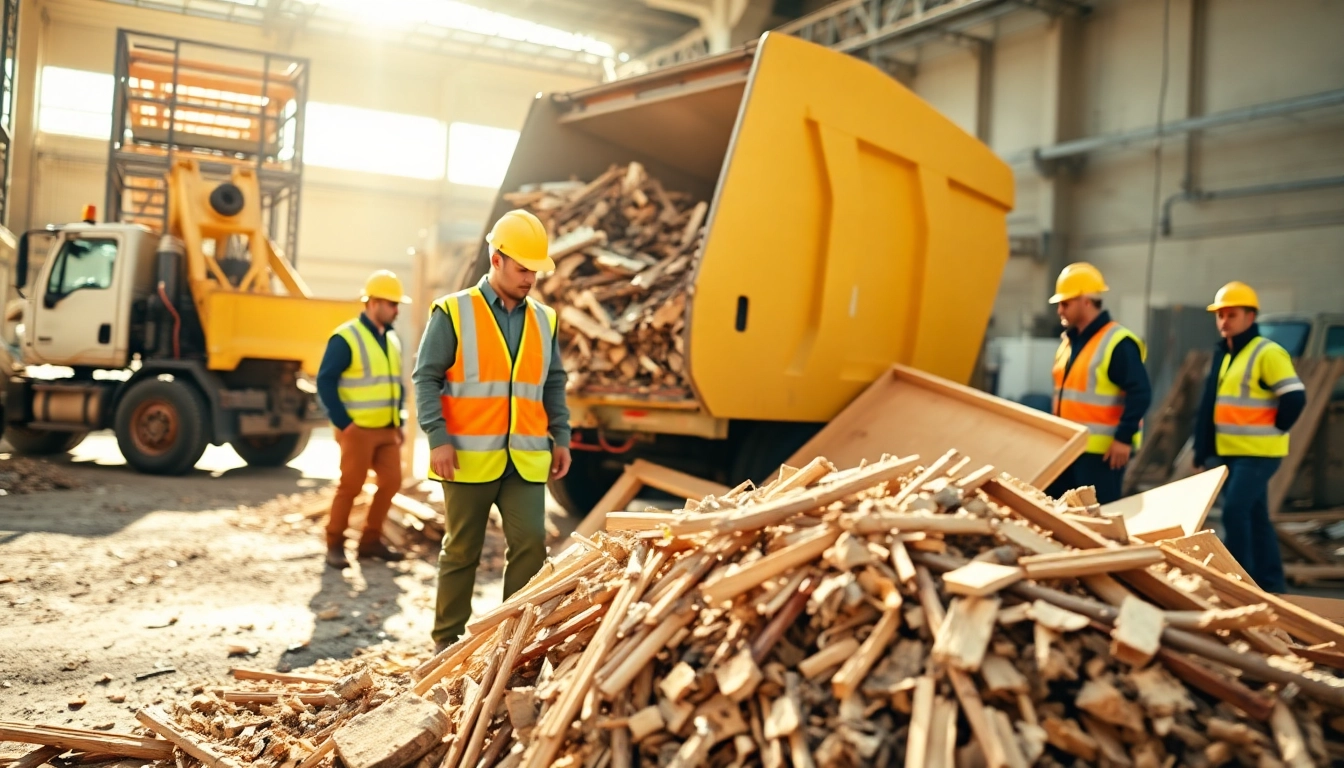
Understanding Construction Debris Removal
In the dynamic world of construction and renovation, effective waste management stands as a critical component of any project—not only for aesthetic reasons but for compliance with safety regulations and environmental responsibilities. Construction debris removal encompasses various methods and practices aimed at properly disposing of the waste generated during construction, renovation, or demolition activities. This article delves deeply into the topic, providing an extensive overview tailored to homeowners, contractors, and industry stakeholders.
What is Construction Debris?
Construction debris is any material left over from construction or renovation activities. This includes a wide range of materials such as:
- Concrete
- Wood and lumber
- Drywall
- Metal
- Glass
- Roofing materials
- Insulation
- Bricks and masonry
These materials can vary greatly based on the scope of the project—from small home renovations to large commercial constructions. Understanding the types of debris generated is crucial for implementing effective waste management strategies.
Importance of Proper Debris Disposal
Proper disposal of construction debris is vital for several reasons. Firstly, it helps in maintaining a safe working environment. Accumulated debris can pose serious hazards such as trips, falls, and other accidents. Secondly, proper waste disposal is often a legal requirement, as local regulations dictate how construction waste must be managed. Lastly, improper disposal can lead to environmental harm, from landfill overflow to pollution of local ecosystems. Thus, understanding the importance of proper debris disposal is essential for any construction or remodeling project.
Common Types of Construction Waste
Construction waste can be categorized into several types, including:
- Hazardous Waste: Includes materials that can be toxic or harmful, such as asbestos, lead, and certain chemicals.
- Non-Hazardous Waste: Includes typical building materials that do not pose immediate risks, such as wood, glass, and metals.
- Recyclable Waste: Many construction materials can be recycled, including concrete, metal, and wood. Implementing recycling practices can significantly reduce landfill waste.
Effective Methods for Construction Debris Removal
There are various methods available for construction debris removal, each with its own advantages and limitations. Selecting the appropriate one depends on the scale of the project, the type of materials being disposed of, and the specific needs of the contractor or homeowner.
Pros and Cons of Hiring Junk Removal Services
Utilizing professional junk removal services is a popular option for many construction projects. These companies typically offer quick and efficient removal of debris, saving time and effort for contractors and homeowners alike. However, there are pros and cons to consider:
- Expertise in handling various types of waste.
- Compliance with local disposal regulations.
- Convenience and time savings.
- Costs can add up, especially for larger projects.
- Availability of services may vary by region.
Using Dumpsters for Efficient Waste Management
Renting a dumpster is another effective method for managing construction debris. This option is particularly beneficial for larger projects that generate substantial amounts of waste. Key benefits include:
- Flexibility in size and rental duration.
- Cost-effective for long-term projects.
- Allows for continuous disposal as debris accumulates.
However, it is essential to ensure the chosen dumpster size meets the project's needs to avoid additional costs incurred by needing to rent a second container.
Innovative Technologies in Debris Removal
As the construction industry evolves, so do the technologies used to remove debris. Innovations such as:
- Smart Waste Management: Utilizing IoT devices to monitor waste levels in containers, allowing for more efficient pickups.
- Automated Sorting Systems: Employing technology to sort recyclable materials from waste, enhancing the recycling process.
- Eco-Friendly Disposal Techniques: Advanced methods that minimize environmental impact through proper recycling and waste treatment.
These technologies not only improve efficiency but also promote environmentally responsible practices within the industry.
Best Practices for Safe Debris Management
Ensuring safe and efficient debris management requires adherence to industry best practices. By implementing structured processes and safety measures, contractors can enhance the overall effectiveness of their waste management strategies.
Safety Protocols on Construction Sites
Implementing robust safety protocols is paramount on construction sites. This includes:
- Regular safety audits to identify potential hazards.
- Training workers on proper debris handling and disposal techniques.
- Using appropriate personal protective equipment (PPE) during debris removal.
By adhering to these protocols, contractors can mitigate risks associated with construction debris management.
Eco-Friendly Disposal Techniques
With increasing emphasis on sustainability, eco-friendly disposal techniques are gaining traction. Strategies include:
- Recycling materials wherever possible.
- Composting organic waste generated from site cleanup.
- Utilizing green waste management services that prioritize environmental responsibility.
Such practices not only help in reducing landfill waste but also enhance a company's reputation as a responsible contractor.
How to Minimize Waste During Projects
Minimizing waste is a critical aspect of any construction project. Techniques to reduce waste include:
- Implementing careful planning and measurement to avoid over-ordering materials.
- Reusing materials whenever possible, such as reclaimed wood or fixtures.
- Educating workers on efficient waste management practices.
These strategies can lead to significant cost savings and contribute to environmental sustainability.
Cost Considerations for Debris Removal
Understanding the costs associated with debris removal is essential for budgeting and planning any construction project. Various factors can influence these costs, leading to a wide range of potential expenses.
Factors Influencing Removal Costs
Several factors can impact the overall cost of debris removal, including:
- The type and volume of materials being disposed of.
- The chosen method of removal (junk removal service vs. dumpster rental).
- Local disposal regulations and associated fees.
By considering these factors, contractors can better estimate their waste management costs and plan accordingly.
Comparing Junk Removal Services and Dumpster Rentals
When deciding between junk removal services and dumpster rentals, it's crucial to evaluate their costs against project needs:
- Junk Removal Services: Typically charge based on volume and labor, with prices ranging from $100 to $800.
- Dumpster Rentals: Charge based on size and rental duration, with average costs between $300 and $500.
By understanding these pricing models, stakeholders can choose the option that best fits their budget and project requirements.
Tips for Budget-Friendly Waste Management
Implementing budget-friendly waste management strategies can help reduce overhead costs. Consider these tips:
- Shop around for the best rates on junk removal services and dumpster rentals.
- Plan projects meticulously to prevent excess material orders.
- Seek out recycling programs that offer discounts for recyclable materials.
By utilizing these strategies, project managers can significantly cut waste disposal costs.
Future Trends in Construction Debris Removal
The construction industry is constantly evolving, and so are the methods for debris removal. Staying ahead of future trends can ensure more efficient and effective waste management.
Emerging Practices in Waste Disposal
Several trends are emerging in construction debris removal, including:
- Increased integration of technology, such as AI and machine learning for waste sorting.
- Development of circular economy practices that emphasize reusing materials.
- Greater regulatory pressures to adopt environmentally friendly disposal methods.
These trends indicate a shift towards more sustainable practices in the construction industry.
Regulatory Changes and Their Impact
The construction industry is subject to regulatory changes that can significantly impact waste management practices. Staying abreast of local and federal regulations regarding waste disposal and recycling is essential for compliance and operational efficiency.
Predictions for Construction Industry Practices in 2026
Looking ahead to 2026, we can anticipate further advancements in construction debris removal, including:
- Increased adoption of automated waste management technologies.
- Enhanced focus on sustainability and carbon neutrality in construction waste management.
- Development of more comprehensive waste management plans that integrate all stages of construction.
By preparing for these changes, contractors can position themselves as leaders in responsible waste management and improve their project outcomes.