Introduction to the Manaslu Circuit Trek
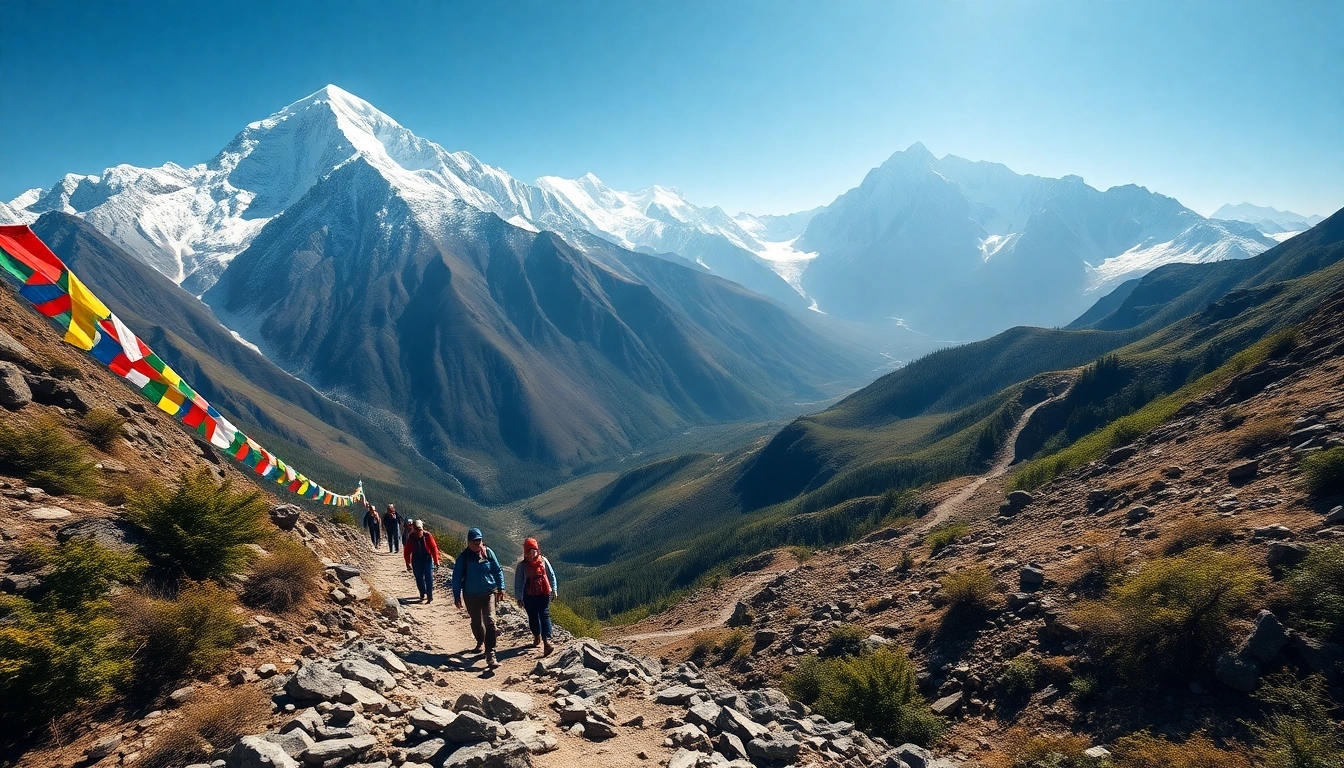
The Manaslu Circuit Trek is an extraordinary journey that takes travelers through some of the most breathtaking landscapes in Nepal. Nestled in the heart of the Himalayas, this trek not only provides stunning views of the eighth-highest mountain in the world, Mount Manaslu, but also immerses trekkers in the rich cultural tapestry of the local communities. For those seeking a blend of adventure, natural beauty, and cultural experiences, the Manaslu Circuit stands out as a compelling choice. The trek offers an opportunity to explore remote villages, dramatic mountain scenery, and the unique Tibetan-influenced culture that permeates the region.
When exploring options, manaslu circuit provides comprehensive insights into what to expect, ensuring trekkers are well-prepared for their adventure. From rugged trails to serene landscapes, the trek offers an unmatched experience for both novice and experienced trekkers.
Planning Your Manaslu Circuit Trek
Best Seasons and Weather Considerations
The best time to embark on the Manaslu Circuit Trek is during the spring (March to May) and autumn (September to November). These seasons feature mild weather conditions, making them ideal for trekking. During spring, trekkers can enjoy clear skies adorned with vibrant rhododendrons, which bloom at lower elevations. Conversely, autumn offers stunning views of snow-covered peaks against blue skies, providing a picturesque backdrop for the trek.
Weather can vary significantly in the Manaslu region, with daytime temperatures averaging between 20°C (68°F) during spring and 10°C (50°F) in autumn. However, temperatures can plummet to -20°C (-4°F) at higher altitudes. Trekkers should be prepared for sudden weather changes and always plan for the unexpected.
Necessary Permits for the Manaslu Trek
As the Manaslu region is a restricted area, several permits are necessary before setting foot on the trail. Trekkers must obtain the Manaslu Conservation Area Permit (MCAP), the Manaslu Restricted Area Permit (MRAP), and the Trekkers' Information Management System (TIMS) card. These permits help regulate tourism while ensuring the preservation of the area's natural and cultural heritage.
How to Prepare Physically for the Trek
Physical preparation is crucial for the Manaslu Circuit Trek, given its challenging terrains and high altitudes. Trekkers should focus on building endurance through cardio exercises such as running, cycling, or hiking. It is advisable to engage in physical training for at least two months before the trek, ensuring a blend of strength and stamina to tackle the rugged landscapes.
Additionally, familiarity with the equipment and gear required for trekking is also essential. Proper hiking boots, weather-appropriate clothing, and personal safety gear should be tested and broken in before the trek to avoid discomfort during the journey.
Itinerary Breakdown for the Manaslu Circuit
Day-by-Day Itinerary Overview
The Manaslu Circuit Trek spans approximately 15 days, covering a distance of about 177 km (110 miles). Here is a day-by-day overview of the itinerary:
- Day 1: Arrival in Kathmandu and transfer to the hotel.
- Day 2: Drive from Kathmandu to Machha Khola via Soti Khola.
- Day 3: Trek from Machha Khola to Jagat.
- Day 4: Trek from Jagat to Deng.
- Day 5: Trek from Deng to Namrung.
- Day 6: Trek from Namrung to Lho.
- Day 7: Trek from Lho to Samagaon.
- Day 8: Acclimatization day in Samagaon; hike to Birendra Lake and Manaslu Base Camp.
- Day 9: Trek from Samagaon to Samdo.
- Day 10: Trek from Samdo to Dharmashala.
- Day 11: Trek from Dharmashala over Larkya La Pass to Bimthang.
- Day 12: Trek from Bimthang to Goa.
- Day 13: Trek from Goa to Dharapani.
- Day 14: Drive from Dharapani back to Kathmandu.
- Day 15: Departure from Kathmandu.
Acclimatization Strategies During the Trek
Acclimatization is a critical aspect of trekking at high altitudes. The planned acclimatization day in Samagaon allows trekkers to adjust to the altitude, helping to prevent altitude sickness. During this day, hikers can explore the surrounding areas, such as Birendra Lake or take a side trip to Manaslu Base Camp. It’s essential for trekkers to listen to their bodies and communicate with their guide about how they are feeling.
Alternative Routes and Variations
For those seeking a unique experience, alternative routes around the Manaslu Circuit include the Tsum Valley Trek and variations that extend the itinerary to include additional side trips. Customizing the trek can present opportunities to immerse deeper into the local culture and explore lesser-known trails.
What to Expect During the Trek
Cultural Encounters and Local Communities
The Manaslu Circuit provides an authentic experience of the local culture, with opportunities to interact with residents of various Tibetan-influenced villages. As trekkers pass through these communities, they can witness traditional practices such as yak herding and visit monasteries adorned with prayer flags. Engaging with locals can enrich the trekking experience, providing insights into their way of life.
Typical Meals and Dining Experiences
During the trek, trekkers will savor a variety of meals that reflect the local cuisine. Dishes such as dal bhat, momos, and traditional Tibetan breads are commonly served in teahouses. Vegetarian options are widely available, and garlic is often included in meals to aid acclimatization. Dining in teahouses is also an opportunity to share stories and experiences with fellow trekkers.
Accommodation Options Along the Route
Accommodation during the Manaslu Circuit Trek typically consists of teahouses and lodges. While basic amenities are provided, including twin-sharing rooms and communal dining areas, trekkers should be prepared for limited facilities in more remote areas. It's advisable to approach lodging with an open mind, as these accommodations reflect the authenticity of rural Nepali life.
Post-Trek Considerations
Reflecting on the Manaslu Circuit Experience
Completing the Manaslu Circuit Trek is an achievement worth reflecting upon. Trekkers often find themselves enriched by the experience, having not only conquered physical challenges but also immersed themselves in the breathtaking beauty and culture of the Himalayas. Taking the time to process these experiences can enhance personal growth and appreciation for the journey.
Tips for Travelers After the Trek
After completing the trek, travelers can enjoy a few days in Kathmandu, allowing for relaxation and recovery. Exploring historical sites, indulging in local cuisine, or simply unwinding in one of the many cafes can offer a satisfying conclusion to the adventure. It’s also an excellent opportunity to shop for local handicrafts and souvenirs, further supporting the local economy.
Future Trends in Trekking and Eco-Tourism
The trend towards responsible and sustainable tourism is expected to grow, particularly in regions like Manaslu. As eco-tourism becomes more prevalent, trekkers are encouraged to prioritize environmentally friendly practices, support local businesses, and engage in cultural exchanges that benefit both travelers and communities. The emphasis on preserving the natural environment will ensure that future generations can enjoy the wonders of the Manaslu Circuit.