Navigating the Landscape of North American Rail Services
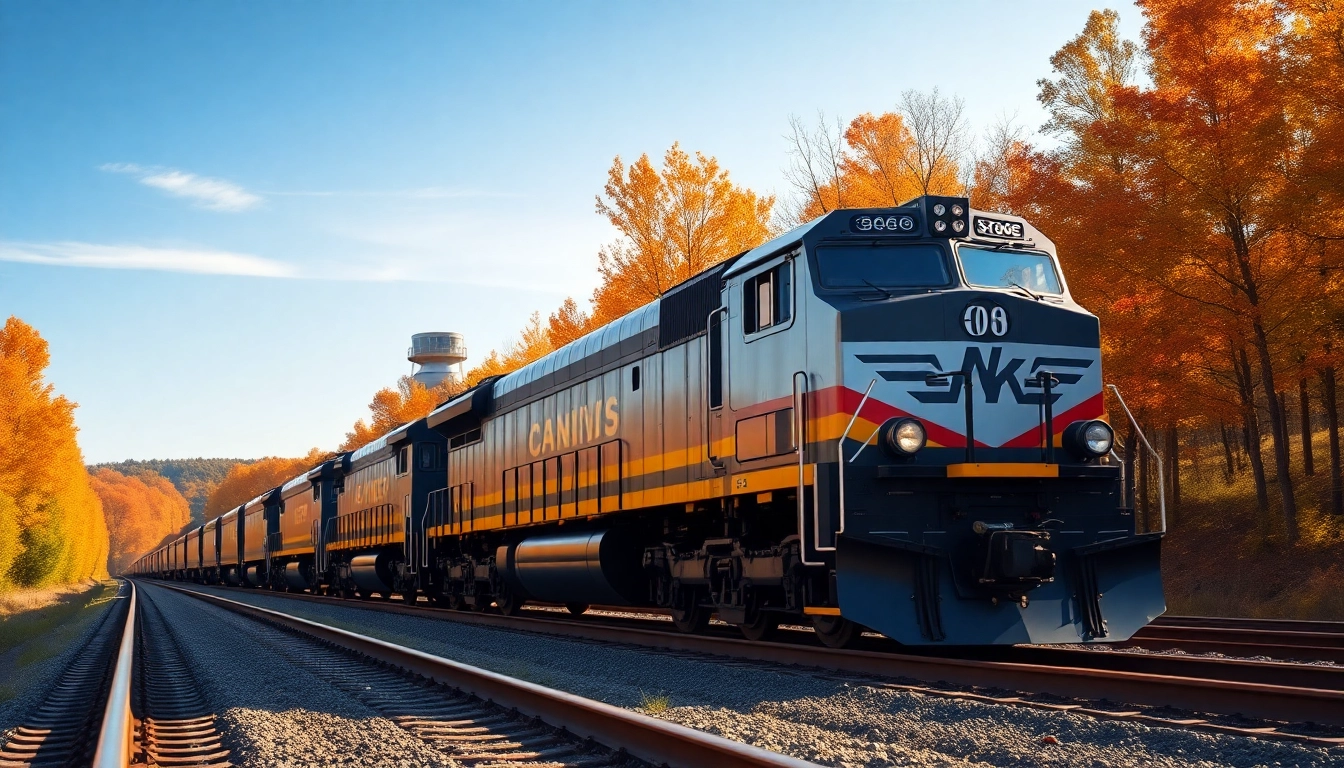
As the backbone of freight transport in North America, the rail industry plays a critical role in the movement of goods across vast distances. With extensive rail networks crossing the continent, these North American rail services contribute significantly to both the economy and the environment. Understanding the current state, key players, and trends in rail services will provide valuable insights into future developments in this dynamic sector.
Overview of Current Rail Infrastructure
The rail infrastructure in North America is an extensive system consisting of over 138,000 miles of track. This network is vital not just for freight but also for passenger transport. The rail infrastructure comprises mainline tracks, local lines, yards, and terminals necessary for transferring goods between different transport modes, such as trucks and ships. Recent investments in upgrading and maintaining these infrastructures aim to improve operational efficiency and safety.
Key Players in the Industry
The North American rail industry is dominated by several major freight rail companies, often referred to as Class I railroads, which include key players like Canadian National Railway, Union Pacific, and BNSF Railway. These companies operate vast networks and provide a range of services from bulk shipping to intermodal transport. Their competitive strategies focus on optimizing routes, maximizing capacity, and ensuring reliability for shippers. Additionally, smaller regional and short line railroads play vital roles in connecting these major rail networks with local businesses.
Significant Trends Shaping the Future
Several trends are currently shaping the future of North American rail services:
- Sustainability Initiatives: There's a growing focus on reducing carbon footprints, with many rail companies investing in greener technologies and practices.
- Investment in Technology: Automation, data analytics, and smart grid technologies are enhancing the efficiency of rail operations.
- Infrastructure Upgrades: Continuous investments to modernize and expand rail infrastructure are critical for handling increased demand.
- Collaboration Across Sectors: Partnerships with logistics companies and other transport sectors foster integrated supply chains.
Benefits of Utilizing North American Rail Services
Cost-Effectiveness of Rail Transport
Utilizing rail services for freight transport offers unparalleled cost advantages. Rail is inherently more fuel-efficient than road transportation, enabling the shipment of large volumes over long distances at lower operational costs. The economies of scale achieved through rail logistics significantly reduce per-unit costs compared to trucking. For businesses, this means enhanced profit margins and more competitive pricing for their products.
Environmental Advantages of Rail Systems
One of the most compelling benefits of rail transport is its potential for sustainability. Trains emit significantly less greenhouse gas per ton-mile than trucks. Transitioning from trucking to rail could lead to substantial reductions in overall emissions, contributing to national goals for climate change mitigation. Furthermore, rail systems are less likely to congest roadways, helping to minimize air pollution and reduce fossil fuel consumption.
Reliability and Speed Factors
Reliability is a hallmark of North American rail services. Modern rail systems operate on predictable schedules, making them essential for time-sensitive deliveries. The capability to transport goods quickly and reliably across long distances is invaluable for various industries, especially those dealing with perishable items. Enhanced track technology and real-time monitoring ensure that rail services can maintain high levels of reliability, adapting swiftly to unexpected disruptions.
Challenges Facing North American Rail Services
Infrastructure Maintenance Concerns
Despite the extensive rail networks, the aging infrastructure poses significant challenges. Many tracks are in dire need of repairs or upgrades, which can hinder capacity and safety. Regular maintenance, although costly, is essential to ensure that the infrastructure can support the increasing freight volume. Rail companies must balance budget constraints with the need for infrastructure improvements to prevent service disruptions.
Competition from Other Modes of Transport
Rail transport faces considerable competition from trucks and ships. Trucking offers greater flexibility and faster door-to-door service, while shipping is often more economical for intercontinental transport. Rail services must continuously innovate to stay competitive, which requires investments in technology, customer service, and operational efficiency. Understanding the strengths and weaknesses of each transport mode helps shippers choose the best options for their needs.
Regulatory Hurdles Impacting Operations
The rail industry operates within a complex legal and regulatory environment. Government policies, safety regulations, and environmental laws must be navigated carefully by rail operators. Changes in regulations can affect operational costs and service delivery, making it imperative for companies to remain agile in their compliance strategies. Efficient regulatory navigation can provide a significant competitive advantage in the marketplace.
Technological Innovations in Rail Services
Digital Solutions for Efficiency
Technological innovations are revolutionizing the rail industry, particularly through digital solutions that enhance operational efficiency. Data analytics applications help rail operators optimize routes, manage asset maintenance, and improve safety protocols. Digital platforms streamline supply chain operations, enabling shippers to track shipments in real-time. The integration of Internet of Things (IoT) devices further supports preventive maintenance and predictive analytics in managing rail assets.
Automation and Its Impact on Operations
Automation is making significant inroads into rail operations. Automated systems for train control and management reduce human error, increasing safety and operational efficiency. Moreover, the use of autonomous trains is being explored to enhance service capabilities. However, the transition to automated systems requires extensive training and a cultural shift within organizations to fully realize the potential benefits of this technology.
Future of Smart Rail Systems
The future of rail services is moving toward the development of smart rail systems. With the implementation of advanced technologies such as big data, AI, and machine learning, smart rail systems will enhance predictive maintenance, optimize schedules, and improve customer experience. Investments in these areas promise to create not only safer but also more efficient and environmentally friendly rail solutions.
Improving User Experience in North American Rail Services
Passenger Experience and Amenities
For passenger rail services, enhancing the customer experience is crucial for attracting more users. This involves providing high-quality amenities such as comfortable seating, Wi-Fi, and dining options. A seamless ticketing process combined with an efficient and clean environment adds to passenger satisfaction. Additionally, making rail services accessible, particularly for those with disabilities, is essential in providing equal travel opportunities for all.
Real-Time Information Systems
Real-time information systems play a vital role in the user experience for both passengers and freight customers. Offering accurate updates regarding train schedules, delays, and service changes ensures that users are well-informed throughout their journey. For freight customers, tracking systems that provide real-time data about cargo status and location can significantly enhance supply chain transparency and efficiency.
Customer Service Best Practices
Exceptional customer service is fundamental to growing ridership and maintaining business partnerships. Training staff to effectively address customer inquiries and concerns creates a welcoming environment. Implementing feedback mechanisms allows rail operators to continuously learn and improve their services based on user experiences. A proactive approach to customer service can bolster the reputational integrity of rail services.
FAQs
What Are the Benefits of Using Rail for Freight?
North American rail services provide cost-effective and environmentally friendly transport, optimizing cargo movement efficiently. Rail's capacity for large volumes and long-distance shipping is unrivaled compared to trucks.
How Does Rail Transport Compare to Trucks?
Rail is generally more fuel-efficient than road transport, handling larger shipments over long distances with lower emissions. This makes rail an essential component of a sustainable transport network.
What Innovations Impact Rail Services Today?
Advanced technologies, including predictive analytics and automation, are enhancing operational efficiency in rail logistics to improve service reliability and reduce costs.
How Reliable Are North American Rail Services?
Modern rail systems maintain high reliability rates, ensuring timely deliveries and minimizing disruptions in service while adapting swiftly to operational challenges.
What Is the Future of Rail Transportation?
With ongoing investments in infrastructure and technology, the future of North American rail services looks promising, poised for growth and greater environmental responsibility.