
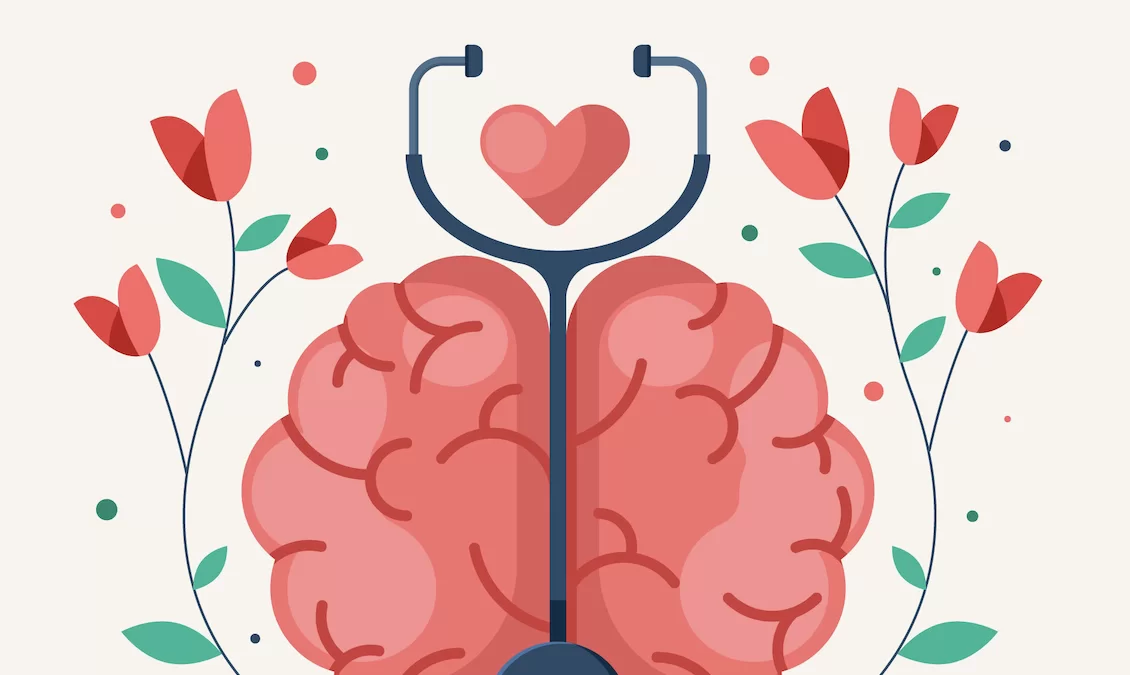
Emotional wellbeing is an essential aspect of overall health. It influences how we think, feel, and act every day. Maintaining strong Emotional wellbeing can help us handle stress, build resilience, and foster positive relationships. At Calm Minds Hub, we aim to simplify evidence-based mental health knowledge and make it easy for you to practice habits that strengthen your emotional health.
Understanding Emotional Wellbeing
Emotional wellbeing refers to the ability to manage your emotions effectively, cope with life’s challenges, and maintain a balanced state of mind. It is not about avoiding negative feelings, but about recognizing, understanding, and managing them in a healthy way. People with strong emotional wellbeing often experience higher life satisfaction, better relationships, and improved mental and physical health.
Why Emotional Wellbeing Matters
- Stress Management: Healthy emotional habits reduce the negative impact of stress on the mind and body.
- Better Decision-Making: Emotionally balanced individuals make thoughtful, less impulsive decisions.
- Stronger Relationships: Emotional awareness enhances communication, empathy, and trust with others.
- Physical Health Benefits: Emotional wellbeing can lower blood pressure, improve sleep, and strengthen the immune system.
Daily Emotional Wellbeing Habits
Building mental strength and balance requires consistent effort and practical habits. Below are proven emotional wellbeing habits you can adopt.
1. Practice Mindfulness
Mindfulness is the practice of staying present in the moment and observing your thoughts without judgment.
How to practice mindfulness:
- Start with 5–10 minutes of deep breathing each morning.
- Observe your surroundings, noticing sounds, smells, and textures.
- Practice mindful eating by focusing on the taste, texture, and aroma of each bite.
Example: Imagine walking through a park. Instead of thinking about schoolwork or stress, notice the chirping birds, the gentle breeze, and the colors of the trees. This practice can lower anxiety and improve focus.
2. Maintain a Consistent Routine
A stable routine provides structure and reduces feelings of chaos or unpredictability.
Routine tips:
- Wake up and sleep at the same time each day.
- Schedule time for study, exercise, and relaxation.
- Include short breaks to recharge mentally.
A daily routine helps your brain anticipate tasks, manage energy levels, and reduce stress.
3. Cultivate Positive Relationships
Supportive relationships are vital for emotional wellbeing. Surrounding yourself with understanding and compassionate people strengthens mental resilience.
Ways to cultivate healthy relationships:
- Spend time with friends and family who uplift you.
- Listen actively without interrupting or judging.
- Express gratitude and appreciation to others regularly.
Case Study: Sarah, a high school student, struggled with anxiety but noticed improvement when she spent quality time with her supportive friends and joined a peer support group at school.
4. Engage in Regular Physical Activity
Exercise is not just for the body—it directly benefits the mind. Physical activity releases endorphins, reduces stress, and improves sleep quality.
Practical tips:
- Aim for at least 30 minutes of moderate exercise daily, like walking, jogging, or cycling.
- Include activities you enjoy, such as dancing or sports, to maintain motivation.
5. Develop Emotional Awareness
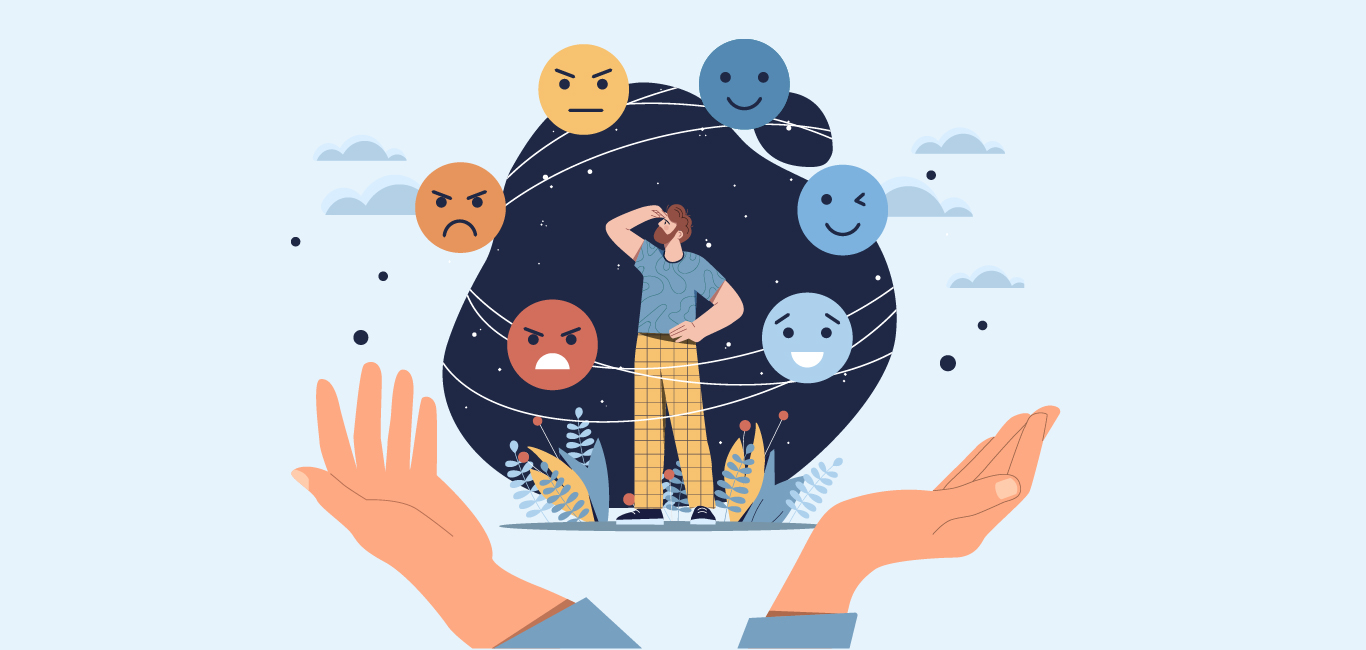
Understanding your emotions is the first step in managing them effectively. Emotional awareness allows you to respond rather than react impulsively.
Steps to enhance emotional awareness:
- Keep a daily journal of your feelings and triggers.
- Identify patterns in your reactions to stressful situations.
- Reflect on emotions without self-judgment.
Analogy: Think of your emotions as traffic signals. Recognizing whether they are green, yellow, or red helps you navigate situations safely and calmly.
6. Practice Gratitude
Gratitude shifts focus from negative thoughts to positive experiences. Studies show that gratitude strengthens emotional wellbeing and resilience.
Ways to practice gratitude:
- Write three things you are thankful for each day.
- Express appreciation to others verbally or in writing.
- Reflect on positive moments, no matter how small.
7. Limit Negative Inputs
Exposure to constant negativity can harm emotional wellbeing. Social media, news, and toxic environments can increase stress and anxiety.
Tips to manage negative inputs:
- Limit social media use to set times.
- Avoid gossip and negative conversations.
- Surround yourself with positive content, such as inspiring books, podcasts, or videos.
8. Learn Healthy Coping Strategies
Stress and setbacks are part of life, but the way we respond determines emotional outcomes.
Effective coping strategies include:
- Deep breathing and relaxation exercises.
- Talking to a trusted friend, family member, or counselor.
- Engaging in hobbies that bring joy and relaxation.
Example: When Michael faced a challenging exam, instead of panicking, he practiced deep breathing and visualized success, which helped him remain calm and focused.
9. Prioritize Sleep and Nutrition
Sleep and nutrition have a direct impact on emotional wellbeing. Lack of sleep or poor diet can increase irritability, stress, and anxiety.
Sleep tips:
- Aim for 7–9 hours of sleep per night.
- Maintain a consistent sleep schedule.
- Reduce screen time before bed to improve sleep quality.
Nutrition tips:
- Eat balanced meals with fruits, vegetables, lean proteins, and whole grains.
- Stay hydrated throughout the day.
- Limit processed foods and sugary drinks, which can affect mood and energy levels.
10. Engage in Self-Compassion
Self-compassion involves treating yourself with kindness and understanding, especially during difficult times.
How to practice self-compassion:
- Speak to yourself as you would to a friend in distress.
- Accept that making mistakes is part of being human.
- Celebrate small achievements and progress.
Analogy: Think of self-compassion as a cushion that softens the impact of life’s challenges, giving you support and resilience.
Real-Life Applications of Emotional Wellbeing Habits
Incorporating these habits daily creates a ripple effect that improves every aspect of life. For example:
- A student who practices mindfulness and routine may notice improved focus, reduced anxiety, and better grades.
- A professional who maintains gratitude and self-compassion may experience stronger workplace relationships and reduced burnout.
- Families who engage in open communication and emotional awareness may enjoy more harmonious home environments.
Consistency is key. Small, repeated actions over time strengthen emotional resilience and promote mental balance.
Building Long-Term Emotional Resilience
Developing long-term emotional resilience involves integrating these habits into daily life. It’s not about perfection but about consistent practice and learning from experiences.
Steps to strengthen long-term resilience:
- Reflect on your emotional growth regularly.
- Set realistic, achievable goals for your mental health.
- Seek support when needed, such as counselors, peer groups, or online resources like Calm Minds Hub.
- Celebrate progress, no matter how minor, to reinforce positive habits.
Over time, these practices make you more adaptable to stress, more empathetic in relationships, and more confident in managing life’s challenges.
FAQs
What is emotional wellbeing and why is it important?
Emotional wellbeing is the ability to understand, manage, and respond to emotions effectively. It is important because it impacts mental health, relationships, decision-making, and overall life satisfaction.
How can I start improving my emotional wellbeing daily?
You can start by practicing mindfulness, maintaining a routine, exercising regularly, journaling your feelings, and cultivating supportive relationships. Small daily actions consistently applied lead to meaningful improvements.
Can emotional wellbeing habits reduce stress and anxiety?
Yes, adopting emotional wellbeing habits such as mindfulness, gratitude, self-compassion, and healthy coping strategies can significantly reduce stress and anxiety, leading to better mental balance and resilience.
Conclusion
Building emotional wellbeing is a journey, not a one-time effort. By integrating habits such as mindfulness, gratitude, emotional awareness, physical activity, and self-compassion into your daily life, you can strengthen mental resilience and achieve balance. At Calm Minds Hub, our mission is to simplify mental health knowledge and provide practical guidance that empowers you to manage stress, foster emotional growth, and live a healthier, happier life. Consistency, reflection, and support are the pillars of emotional wellbeing that help you navigate life with confidence and calmness. Return to our main site to explore curated content just for you.