
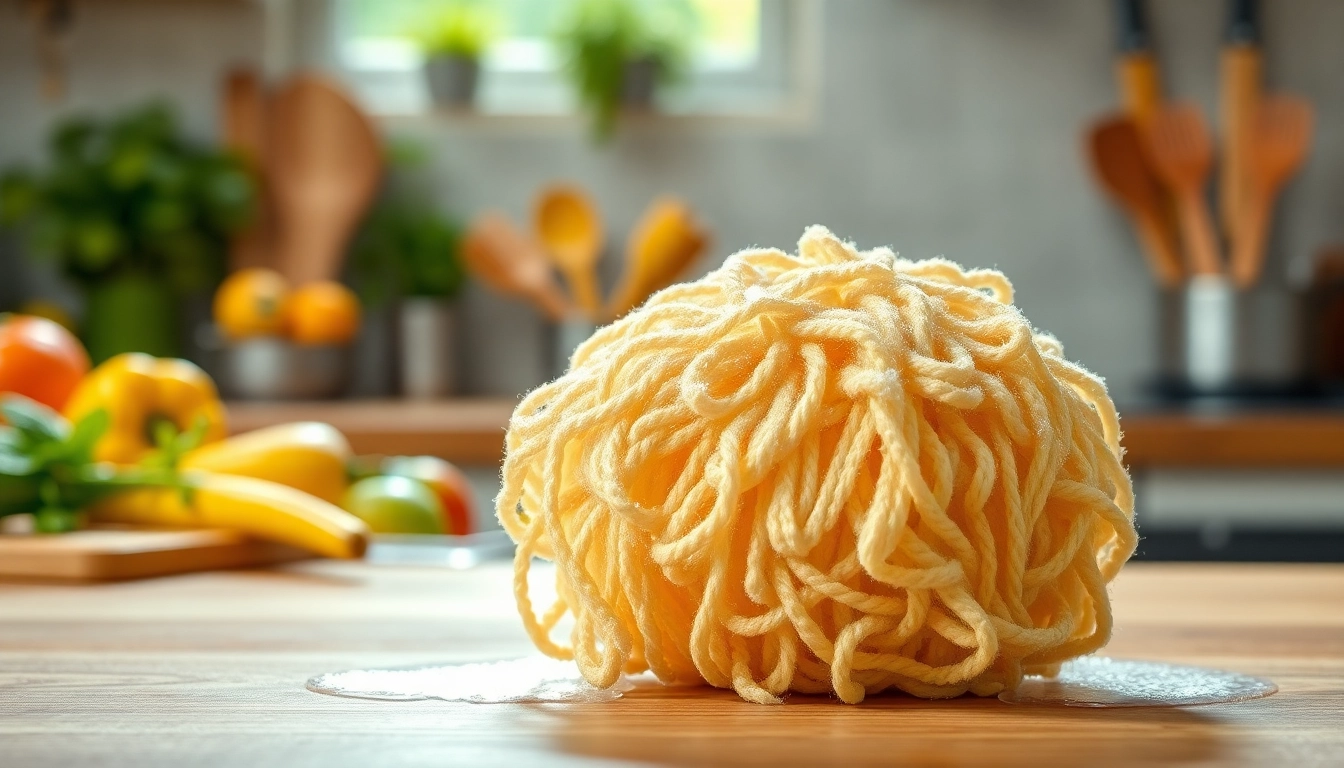
Introduction to Kitchen Loofah Scrubber
In the realm of kitchen cleaning tools, few items hold as much potential as the kitchen loofah scrubber. Derived from the fibrous interior of loofah gourds, these eco-friendly scrubbing tools offer a sustainable alternative to synthetic sponges. In this comprehensive guide, we’ll delve into what a kitchen loofah scrubber is, explore the myriad benefits it offers, and discuss how to choose the right one for your cleaning needs.
What is a Kitchen Loofah Scrubber?
A kitchen loofah scrubber is made from the dried fruit of the loofah plant, which is a member of the gourd family. When harvested and processed, the loofah's fibrous interior is transformed into a sponge-like texture, perfect for scrubbing dishes, countertops, and other surfaces without scratching. Its natural fibers provide exceptional scrubbing power, making it effective at removing stubborn food residues and grime.
Benefits of Using Kitchen Loofah Scrubber
Using a kitchen loofah scrubber comes with numerous advantages:
- Eco-Friendly: Made from natural materials, kitchen loofah scrubbers are biodegradable, making them a choice that supports environmental sustainability.
- Non-Toxic: Unlike synthetic sponges, loofahs do not contain harmful chemicals. They are safe for use in homes where food is prepared.
- Effective Scrubbing: The texture of kitchen loofah scrubbers allows for effective cleaning without scratching surfaces, making them ideal for dishes, cookware, and countertops.
- Cost-Effective: Loofah scrubbers are typically more durable than synthetic sponges. With proper care, they can last longer, reducing the frequency of replacements.
- Natural Deodorizer: Loofahs are less prone to odors compared to synthetic sponges, which can harbor bacteria and smells.
Choosing the Right Kitchen Loofah Scrubber
When selecting a kitchen loofah scrubber, consider the following factors:
- Size: Loofahs come in various sizes. Select one that is suitable for your hands and easy to maneuver for cleaning.
- Texture: Choose a loofah with a coarser texture for tougher scrubbing tasks and a softer one for gentler cleaning jobs.
- Source: Look for organic or sustainably sourced loofahs to ensure they do not contribute to environmental harm.
- Multi-Use Features: Some loofahs are designed with dual-sided features, such as one side for scrubbing and another for gentle cleaning.
Best Practices for Using Kitchen Loofah Scrubber
Preparing the Kitchen Loofah Scrubber for Use
Before using your kitchen loofah scrubber, it’s important to prepare it properly:
- Rinse Thoroughly: Begin by rinsing the loofah under warm water to remove any residue from its packaging.
- Soak: For added flexibility, soak the loofah in water for a few minutes prior to use. This helps to soften the fibers.
- Apply Cleaning Solution: Whether you use soap, a dishwashing liquid, or a natural cleaner, apply a small amount of cleaning solution directly to the loofah for effective cleaning.
Techniques for Optimal Cleaning
To maximize the effectiveness of your kitchen loofah scrubber:
- Use Circular Motions: When scrubbing, employ circular motions. This technique enhances the scrubbing action on pots, pans, and dishes.
- Be Gentle on Sensitive Surfaces: While loofahs are generally safe for most surfaces, ensure to use gentle pressure on non-stick cookware or delicate glassware.
- Rinse Thoroughly After Use: After scrubbing, rinse the loofah under hot water to remove food particles and cleaning solutions.
Maintaining Your Kitchen Loofah Scrubber
Proper maintenance can significantly extend the lifespan of your kitchen loofah scrubber:
- Dry After Use: Always hang your loofah in a well-ventilated area to dry completely after each use. This helps prevent the growth of mold and bacteria.
- Occasional Sanitization: Occasionally, soak your loofah in a mixture of vinegar and water or hot water with a small amount of bleach for about 10 minutes to disinfect it.
- Replace Regularly: Monitor the condition of your loofah regularly. Replace it when it becomes overly frayed, discolored, or starts to smell.
Common Mistakes to Avoid with Kitchen Loofah Scrubber
Using Harsh Chemicals
One common mistake is using harsh chemical cleaners that can break down the fibers of the loofah. Instead, opt for mild, natural cleaning agents to maintain the integrity of the scrubber.
Improper Storage Solutions
Storing your kitchen loofah scrubber in a damp or closed space can encourage mold growth. Ensure it's stored in a dry, airy spot after each use.
Neglecting Regular Cleaning
Failing to clean your loofah regularly can lead to the buildup of bacteria. Make it a habit to wash and sanitize your loofah at least once a week.
Exploring Alternatives to Kitchen Loofah Scrubber
Natural Alternatives for Eco-friendly Cleaning
If you're looking for alternatives to the kitchen loofah scrubber, consider:
- Coconut Coir Scrubbers: These are made from the fibers of coconut husks and provide a similar scrubbing action.
- Sea Sponges: Organic sea sponges are gentle, absorbent, and can be used for various cleaning tasks.
Comparing Kitchen Loofah Scrubber with Other Scrubbing Products
While kitchen loofah scrubbers are effective, other products exist. Here’s a brief comparison:
Scrubbing ToolMaterialEffectivenessEco-friendlinessKitchen Loofah ScrubberNatural Plant FiberGoodBiodegradableSynthetic SpongePlasticExcellentNon-biodegradableCoconut Coir ScrubberCoconut FiberGoodBiodegradable
When to Use Different Scrubbing Tools
Understanding when to use various tools can enhance cleaning efficiency:
- Use Kitchen Loofah Scrubber: For general cleaning of dishes and surfaces.
- Use Synthetic Sponges: For tough cleaning jobs requiring a strong abrasive, being cautious of their environmental impact.
- Use Coconut Coir Scrubbers: For sustainable cleaning of pots and pans without scratching them.
Frequently Asked Questions About Kitchen Loofah Scrubber
How often should I replace my kitchen loofah scrubber?
It's recommended to replace your kitchen loofah scrubber every 4-6 weeks, or sooner if it starts to look worn or smells unpleasant.
Can kitchen loofah scrubber be sanitized?
Yes, you can sanitize your kitchen loofah scrubber. Soak it in a vinegar-water solution or hot water with bleach for about 10 minutes.
What surfaces are safe for kitchen loofah scrubber use?
Kitchen loofah scrubbers are safe for most surfaces, including glass, ceramic, and non-stick cookware. Avoid using them on highly polished surfaces.
Are there any special care tips for kitchen loofah scrubber?
Yes! Always rinse thoroughly after use, allow to dry completely, and sanitize regularly to maintain cleanliness and prolong life.
Is kitchen loofah scrubber biodegradable?
Yes, one of the great benefits of kitchen loofah scrubbers is that they are fully biodegradable, making them an eco-friendly cleaning option.