Understanding Electrical Fire Extinguishers
Electrical fires can arise without warning, often due to faulty wiring, overloaded outlets, or malfunctioning electrical appliances. This unpredictability underscores the importance of being prepared, particularly by having the appropriate fire safety equipment at our disposal, such as an electrical fire extinguisher. However, not all fire extinguishers are created equal; understanding the specifics of electrical fire extinguishers is crucial to effectively combat these types of fires. In this guide, we will delve into the nature of electrical fires, the various types of electrical fire extinguishers available, how to choose the right one for your needs, and best practices for maintenance and emergency situations.
What is an Electrical Fire Extinguisher?
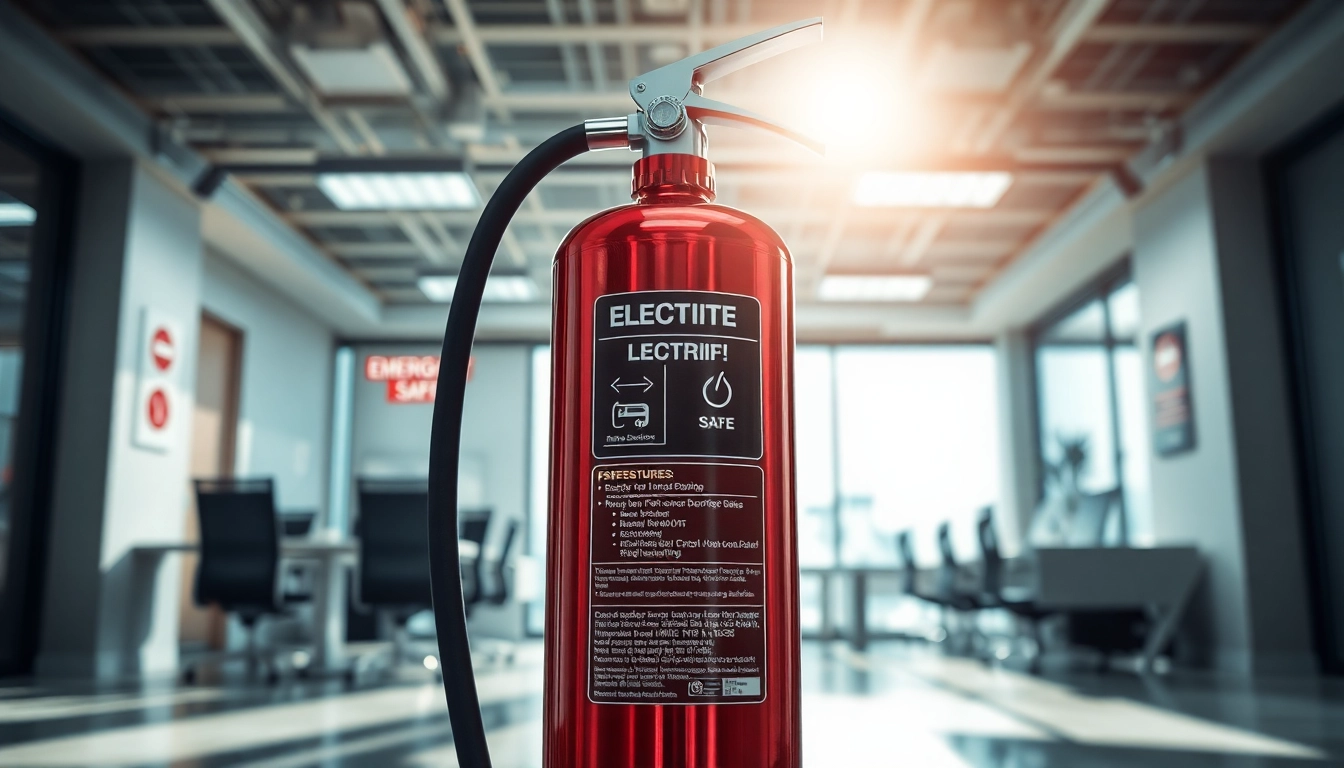
An electrical fire extinguisher is specifically designed to combat fires caused by electrical equipment. These extinguishers are typically classified as Class C fire extinguishers, meaning they are rated for flammable gas or electrical hazards. Using the right extinguisher is critical; using water or other unsuitable agents can exacerbate the fire or pose safety risks to the user.
How Do Electrical Fires Start?
Electrical fires might result from various factors, including:
- Overloaded circuits: Plugging too many devices into a single outlet can lead to overheating and potentially cause a fire.
- Faulty wiring: Poor installation or damaged wires can spark and ignite surrounding materials.
- Defective appliances: Equipment that malfunctions can generate excessive heat or sparks, igniting nearby materials.
- Improper use of extension cords: Over-reliance on extension cords can lead to overheating if the cords aren't designed for the electrical load.
Understanding these causes is essential for prevention but also highlights the importance of being equipped with the right firefighting tools.
Importance of Using the Right Extinguisher
The use of an appropriate fire extinguisher during an electrical fire can be the difference between quickly extinguishing the blaze and a full-blown fire emergency. Water-based extinguishers can conduct electricity and cause further hazards, potentially leading to severe injuries or fatalities for the user. Class C extinguishers eliminate this risk and are engineered to safely tackle electrical fires while protecting the user.
Types of Electrical Fire Extinguishers
Class C Fire Extinguishers Explained
Class C fire extinguishers are specifically rated for electrical fires. They often utilize non-conductive agents, making them safe for use on live electrical equipment. Common agents used in Class C extinguishers include:
- Carbon Dioxide (CO2): This type of extinguisher displaces oxygen, effectively smothering the fire while leaving no residue. It is ideal for use in offices or areas where cleanliness is paramount.
- Dry Chemical: Dry chemical extinguishers, often labeled as ABC, can also tackle Class C fires. They work by interrupting the chemical reaction occurring in the fire. However, they can leave a residue that requires cleanup.
Carbon Dioxide vs. Dry Chemical Extinguishers
The choice between CO2 and dry chemical extinguishers depends on the specific environment and the materials present. Below is a comparison of both:
- Pros: Non-conductive, leaves no residue, suitable for sensitive equipment.
- Cons: Limited to small fires, requires frequent replacement of CO2 cartridges.
- Pros: Versatile (ABC capability), effective against various fire classes.
- Cons: Leaves a residue that can damage electronics, requires cleanup.
Specialty Extinguishers for Office Environments
Offices often contain sensitive electrical equipment, making the choice of an extinguisher crucial. Consider using:
- Kitchen Fire Extinguishers: These are specially designed to handle fires from cooking oils and can double as solutions for small electrical fires.
- Computer Room Extinguishers: Some fire extinguishers come with clean agents, designed to eliminate the residue and risk to sensitive equipment.
Before purchasing any extinguisher, ensure it is appropriate for your specific environment and needs.
Selecting the Right Extinguisher for Your Needs
Factors to Consider for Electrical Fire Extinguishers
When contemplating which electrical fire extinguisher to select, consider the following factors:
- Type of Equipment: Assess the types of electrical equipment present. More sensitive equipment necessitates extinguishers that leave minimal residue.
- Location: Consider where the extinguisher will be used. High-traffic areas may benefit from easily accessible and visible extinguishers.
- User Skill Level: Ensure that any employees or family members who might use the extinguisher know how to operate it safely.
Common Mistakes in Choosing Extinguishers
Many people make mistakes when selecting fire extinguishers. Here are some common pitfalls:
- Choosing the wrong class — always ensure your fire extinguisher is rated for electrical fires.
- Ignoring the size — having an appropriately sized extinguisher is critical. Small extinguishers may not tackle larger fires effectively.
- Failing to consider the environment — fire hazards vary by location; ensure the extinguisher is suitable for the intended environment.
Best Practices for Installation and Accessibility
Proper installation and accessibility of your fire extinguishers can have a significant impact in an emergency. Follow these practices:
- Install in Visible Areas: Place extinguishers in well-lit, visible locations, ideally near exits and high-risk areas.
- Height Matters: Extinguishers should be mounted 3-5 feet above the ground for ease of access.
- Regular Checks: Implement a routine check of all extinguishers to ensure they are charged and ready for use.
Maintenance and Inspection of Electrical Fire Extinguishers
How to Inspect Your Extinguisher
Regular inspections of electrical fire extinguishers are vital to ensure they function during emergencies. Follow these steps:
- Check the pressure gauge — confirm that the needle is within the green zone.
- Inspect the body for signs of damage, corrosion, or leaks.
- Ensure the nozzle is clear and free of obstructions.
- Make sure the pin and the tamper seal are intact.
Annual Maintenance Requirements
In addition to monthly inspections, fire extinguishers require annual maintenance checks performed by a certified technician. Annual maintenance typically includes:
- Comprehensive examination of the extinguisher's functionality.
- Refilling or recharging if necessary.
- Servicing any extinguishers that are compromised, including inspections for dated equipment.
Signs Your Extinguisher Needs Replacement
Despite regular maintenance and checks, there are several indicators that an extinguisher may need replacing:
- Pressure gauge not in the green zone even after recharging.
- Physical damage or robust corrosion on the body.
- Expired service date indicated on the label.
Always replace extinguishers that show signs of failure to guarantee safety.
Emergency Situations and Using Your Extinguisher
Steps to Take During an Electrical Fire
In the event of an electrical fire, it is essential to act swiftly. Remember to:
- Evacuate all individuals from the area immediately.
- Deactivate the power source if it is safe to do so. This step could significantly reduce the fire's intensity.
- Assess the size of the fire before using the extinguisher. If it's larger than a trash can, evacuate and call emergency services.
Demonstrating Proper Use of a Fire Extinguisher
When using a fire extinguisher, remember the acronym PASS:
- P: Pull the pin at the top of the extinguisher.
- A: Aim the nozzle at the base of the fire.
- S: Squeeze the handle to release the extinguishing agent.
- S: Sweep the nozzle side to side until the fire is extinguished.
When to Call Professionals
While the intention may be to combat the blaze yourself, there are times when it's essential to call professionals:
- If the fire spreads beyond the initial source.
- If toxic smoke or fumes are present.
- If you're unsure how to fight the fire safely.
Always prioritize personal safety over attempting to extinguish a fire if circumstances appear dangerous.
Preparedness and knowledge are your best assets when it comes to handling electrical fires. By equipping yourself with the right fire extinguisher, understanding the cause of electrical fires, and practicing emergency techniques, you can significantly enhance safety for yourself and those around you.