1. Overview of the Austin Construction Landscape
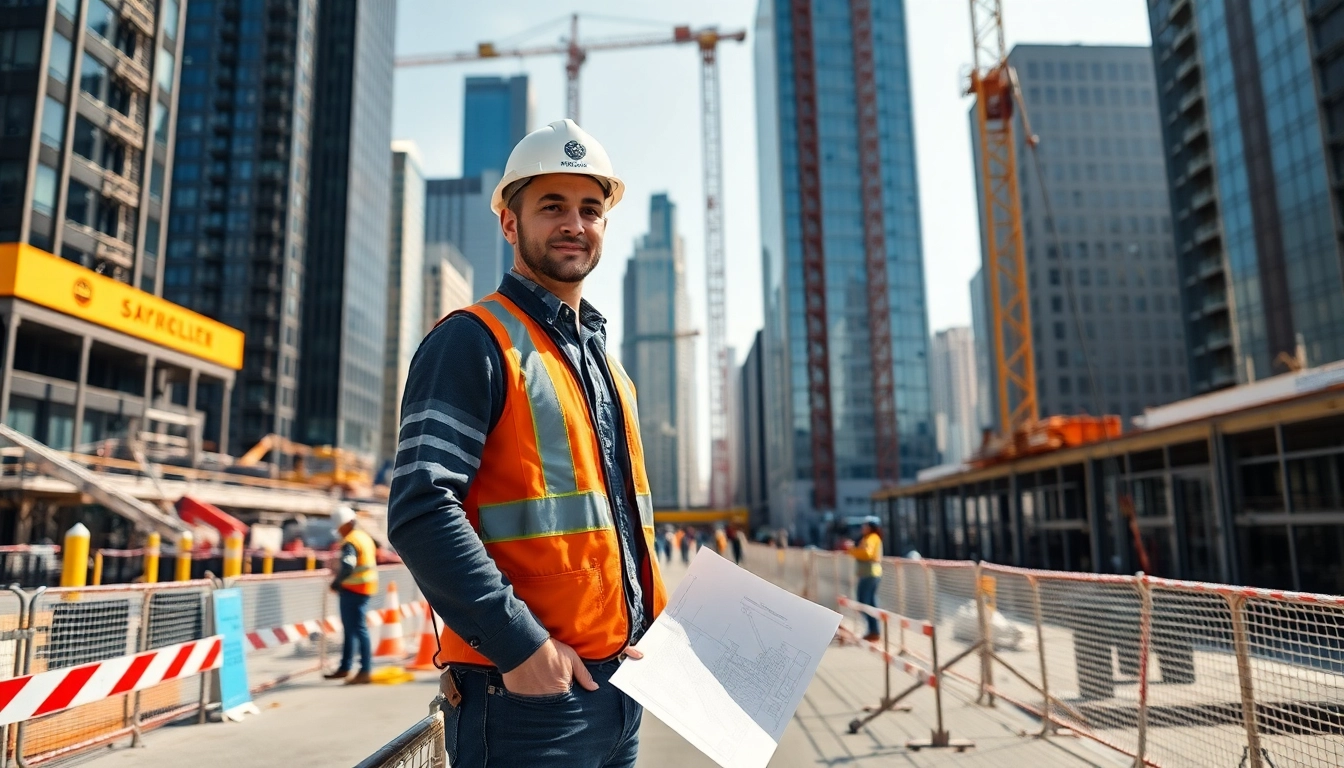
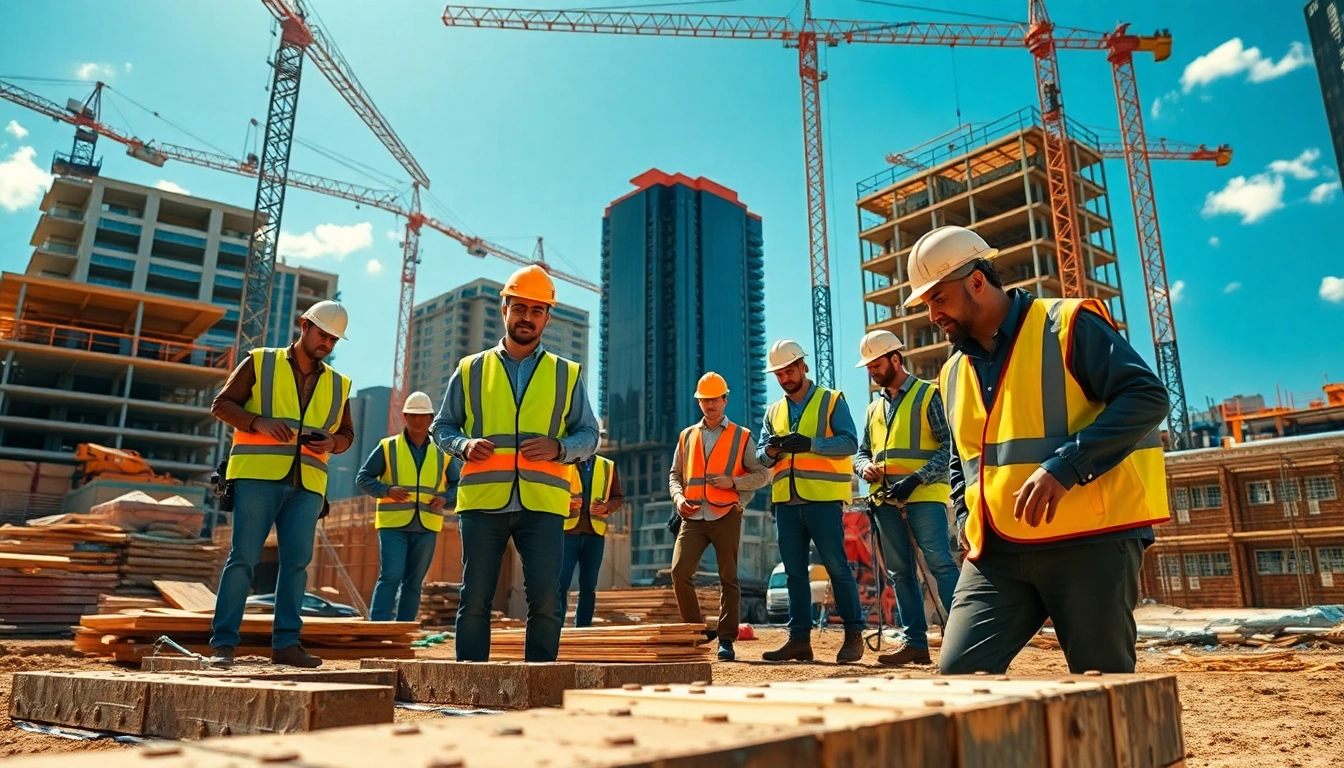
Austin, Texas, often referred to as the "Live Music Capital of the World," is experiencing a robust surge in construction and development, marking it as one of the hottest markets in the United States. The city's vibrant tech scene, coupled with a growing population, has catalyzed unprecedented demand for new residential and commercial projects. As a result, Austin construction has become a focal point for architects, contractors, and city planners who aim to keep up with this rapid growth.
1.1 The Growth Trend in Austin Construction
The Austin metropolitan area has seen an exponential increase in population, with projections indicating continued growth well into the next decade. This population boom has inevitably led to a corresponding rise in construction activity. According to the U.S. Census Bureau, Austin was one of the fastest-growing cities in the country, with more than 150 people moving to the area daily. Consequently, residential developments have surged, with multifamily units leading the charge. Recent reports indicate that the multifamily housing sector is thriving, reflecting a national trend emphasizing urban living, accessibility, and convenience.
1.2 Key Players in the Market
The Austin construction landscape is characterized by a mix of both local and national developers. Key players include companies like DR Horton, Pulte Homes, and various local firms such as McKinney-York Associates and Norman Construction. These companies undertake projects ranging from high-rise condominiums to sprawling single-family developments, catering to the diverse needs of Austin's burgeoning population. The market is also supported by a host of subcontractors specializing in construction trades, such as electrical, plumbing, and landscaping, further indicating a vibrant construction ecosystem.
1.3 Major Upcoming Projects
Austin's skyline is set to change with several pivotal projects slated for completion in the coming years. Some of the most notable upcoming projects include the redevelopment of the former 11-acre Highland Mall into a mixed-use community and the construction of the Austin FC soccer stadium, which aims to foster community through sport and entertainment. These developments not only generate jobs during construction but also contribute to the city’s cultural fabric once completed. Additionally, the South Central Waterfront Plan aims to revitalize the waterfront area with residential, commercial spaces, and parks, enhancing the overall quality of life in Austin.
2. Navigating Austin's Zoning and Permitting Processes
As the construction landscape evolves, so too does the complexity of zoning and permitting processes in Austin. For developers and contractors, understanding these regulations is essential for ensuring successful project completion without costly delays.
2.1 Understanding Local Regulations
Austin has a unique set of zoning laws that can impact what and where you can build. The city’s zoning ordinances are influenced by factors such as neighborhood planning, city-wide master plans, and environmental regulations. Developers must familiarize themselves with zoning categories, which can range from residential to commercial and mixed-use, to ensure their projects comply with local governance. The city encourages community involvement in the planning phase, where citizens can voice their opinions on proposed projects in their neighborhoods, often affecting the approval timeline.
2.2 Common Challenges in Permitting
Securing permits can be one of the most daunting aspects of construction in Austin. Developers often face challenges such as lengthy review periods, opposition from local residents, and evolving regulations that can introduce unexpected delays. The process for obtaining permits typically requires multiple submissions and revisions, especially if projects involve variances or special use permits. Additionally, environmental assessments may be necessary, further complicating the timeline.
2.3 Best Practices for Smooth Approvals
To navigate these challenges effectively, it’s advisable for developers to work closely with local planners at the outset. Establishing a line of communication early can help clarify requirements and allow for pre-application consultations to address potential concerns. Furthermore, employing a knowledgeable consultant who specializes in local zoning issues can provide insights and help streamline the permitting process. Adequate preparation and preemptive measures can drastically reduce the likelihood of project delays and foster better community relationships.
3. Sustainable Building Practices in Austin Construction
With the threat of climate change looming, sustainable building practices have taken center stage in the Austin construction landscape. The city’s commitment to environmental stewardship is evident in its efforts to promote green building technologies and materials, reflecting a growing awareness of ecological impact among developers and residents alike.
3.1 Importance of Eco-Friendly Materials
Utilizing eco-friendly materials is crucial to minimizing the carbon footprint of construction projects. Materials such as recycled steel, bamboo, reclaimed wood, and low-VOC paints are gaining popularity within the Austin market. These materials not only contribute to sustainability efforts but can also enhance a project's marketability among environmentally-conscious consumers. Leading firms like Green Builder Media advocate for the use of such materials, providing guidelines and certifications to promote sustainable building practices.
3.2 Energy Efficiency Standards
In Austin, energy efficiency standards are increasingly stringent, requiring new constructions to adhere to specific guidelines to reduce energy consumption and greenhouse gas emissions. Projects are evaluated based on features like insulation, windows, and HVAC systems, leading to the adoption of technologies such as solar panels and smart home systems. The city offers incentives for developers that comply with energy-efficient standards, encouraging adherence to best practices while also contributing to long-term cost savings and sustainability.
3.3 Success Stories of Sustainable Projects
Successful sustainable projects in Austin include the Green Building Program, which has facilitated the certification of numerous buildings under the LEED (Leadership in Energy and Environmental Design) program. For example, the Seaholm Power Plant redevelopment transformed a historic power station into a hub of residential and commercial space, prioritizing energy efficiency and reducing environmental impact. These projects serve as a model for future developments in Austin, proving that sustainability can coexist with innovation and growth.
4. Technology's Impact on Austin Construction
As construction technology continues to advance, its integration into the Austin construction landscape transforms not just how buildings are constructed, but also how projects are managed and delivered.
4.1 Innovative Tools and Software
The proliferation of building information modeling (BIM) software has revolutionized project planning and execution. Software tools such as AutoCAD and Revit allow architects and engineers to create precise 3D digital representations of projects before construction begins, minimizing errors and ensuring better collaboration among stakeholders. Project management tools like Procore have also emerged, streamlining communication and improving project tracking, thereby enhancing overall efficiency and productivity in construction processes.
4.2 The Role of Drones in Construction Management
Drones are playing a pivotal role in modern construction practices, providing invaluable aerial imagery and real-time data to project managers. They facilitate site surveys, monitor progress, and assist in inspections, allowing for quicker adjustments and decision-making. In a city like Austin, where construction must adhere to strict zoning regulations, drones offer a unique advantage by providing comprehensive site overviews that can help ensure compliance with local laws and ordinances.
4.3 Future Tech Trends in Austin
Looking ahead, augmented reality (AR) and virtual reality (VR) are expected to change the landscape of construction by providing immersive experiences for both clients and builders. These technologies allow stakeholders to visualize projects and modifications before breaking ground, enhancing communication and understanding. As Austin continues to embrace technological innovation, these tools will play crucial roles in shaping the future of the construction industry.
5. Economic Impact of Austin Construction Development
The economic ripple effects of construction development in Austin are profound, impacting local job markets, real estate prices, and community infrastructure in numerous ways.
5.1 Job Creation and Local Economy
Construction projects create numerous employment opportunities, not just within the industry but across various sectors that are indirectly impacted, such as real estate, retail, and hospitality. According to the Texas Workforce Commission, the construction field has accounted for a significant portion of job creation over the past several years, with thousands of jobs generated annually. This influx has contributed to a stable and diverse local job market, crucial for supporting Austin’s booming population.
5.2 Real Estate Trends Influenced by Construction
The construction boom in Austin is leading to palpable shifts in real estate trends. As new residential and commercial spaces are built, property values in neighboring areas often increase, reflecting heightened demand. The spike in housing availability generally improves living conditions but can lead to gentrification in some neighborhoods. Understanding these dynamics is vital for both developers and city planners, as the intent should be to create inclusive growth that benefits all residents.
5.3 Long-term Benefits for the Community
Ultimately, the long-term benefits of construction development extend beyond mere economic growth. Improved infrastructure, public amenities, and housing options enhance the quality of life for Austin residents. Thoughtful developments that consider community input can lead to more vibrant neighborhoods, fostering social interactions and cultural engagement. As Austin continues to evolve, the construction industry will play a critical role in shaping the community's future, ensuring it remains a place where innovation and tradition coexist harmoniously.