
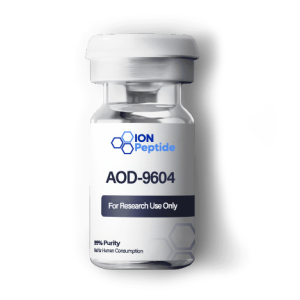
Introduction to AOD-9604
AOD-9604 is a synthetic peptide derived from human growth hormone (HGH), specifically designed to target fat metabolism without triggering the broader hormonal effects of HGH. Unlike full-length HGH, AOD-9604 focuses on the amino acid fragment 177-191, which is responsible for fat breakdown. This selective action allows AOD-9604 to promote lipolysis and support metabolic health safely, making it a key subject in obesity and energy regulation research.
How AOD-9604 Works
The mechanism of AOD-9604 revolves around stimulating enzymes in adipose tissue that enhance triglyceride breakdown. By promoting lipolysis, AOD-9604 increases fat oxidation and reduces fat storage. Unlike traditional HGH, AOD-9604 does not significantly elevate IGF-1 levels, minimizing risks associated with systemic growth hormone stimulation. This selective metabolic activity has made AOD-9604 an attractive compound for researchers studying fat regulation and energy balance.
Metabolic Pathways Influenced by AOD-9604
AOD-9604 primarily affects adipocytes, or fat cells, by activating lipolytic pathways. It enhances the expression of enzymes responsible for breaking down stored triglycerides into fatty acids for energy use. Additionally, AOD-9604 may help regulate energy expenditure, supporting a shift from fat storage to fat utilization. These pathways illustrate how AOD-9604 can influence body composition without affecting other hormonal systems, highlighting its unique metabolic profile.
Research Findings on AOD-9604
Preclinical studies on AOD-9604 have shown consistent fat-reducing effects in animal models. Treatment with AOD-9604 led to decreased fat mass without altering lean body tissue. Human trials have reinforced these results, demonstrating improvements in lipid metabolism, energy expenditure, and visceral fat reduction. Importantly, AOD-9604 achieves these effects without increasing IGF-1, supporting its safety for long-term use in metabolic research.
Non-GH Effects of AOD-9604
One of the key benefits of AOD-9604 is its ability to provide lipolytic effects independently of growth hormone stimulation. This means that AOD-9604 can reduce fat and improve metabolic function without the potential side effects associated with HGH therapy, such as joint pain or insulin resistance. Researchers have highlighted this property as a critical advantage, positioning AOD-9604 as a safer alternative for fat-targeted therapies.
Clinical Implications of AOD-9604
Due to its targeted action, AOD-9604 has potential applications in obesity treatment and metabolic disorder management. By promoting lipolysis and enhancing fat oxidation, AOD-9604 can improve energy balance and body composition. Clinical studies suggest that AOD-9604 may be particularly effective for reducing visceral fat, which is closely linked to metabolic syndrome and cardiovascular risk, further demonstrating its therapeutic potential.
Conclusion
In summary, AOD-9604 is a modified HGH fragment that specifically targets fat metabolism through well-defined metabolic pathways. Its mechanism promotes lipolysis and energy utilization while avoiding systemic growth hormone effects. Research consistently supports AOD-9604’s efficacy in reducing fat mass, improving energy balance, and maintaining lean body tissue. As evidence grows, AOD-9604 continues to emerge as a promising peptide for safe, targeted fat loss and metabolic support.