Understanding the Sweetener Factory Landscape
The sweetener industry is integral to various sectors, from food and beverage to pharmaceuticals. As consumer preferences shift towards healthier options and natural ingredients, understanding the mechanics behind a sweetener factory becomes crucial. This article delves into the operational, regulatory, and innovative aspects of sweetener production, providing insights into this evolving industry.
What is a Sweetener Factory?
A sweetener factory is a facility dedicated to the production of various sweetening agents used in food, beverages, and other consumables. These factories leverage advanced technologies and tailored processes to manufacture both natural and artificial sweeteners, including sugars, sugar substitutes, and low-calorie alternatives. The primary objective of a sweetener factory is to meet the global demand for sweet substances while ensuring quality, safety, and efficiency in production.
Types of Sweeteners Produced
Sweetener factories produce a diverse array of sweetening agents tailored to meet specific consumer demands. Key categories include:
- Natural Sweeteners: Includes options like honey, agave syrup, maple syrup, and stevia, often perceived as healthier alternatives to traditional sugar.
- Caloric Sweeteners: Traditional sugars derived from sugarcane, sugar beets, and corn syrup, widely used in confectionery and baking.
- Non-Caloric Sweeteners: This category comprises synthetic compounds like aspartame and sucralose, which offer sweetness without added calories, appealing to health-conscious consumers.
- Organic Sweeteners: These are produced from natural sources without synthetic pesticides or fertilizers, catering to the growing market for organic products.
Market Trends and Demands
The sweetener market is experiencing a notable transformation driven by changing consumer preferences. Key trends include:
- Health-Conscious Choices: Increasing awareness about sugar’s health impacts propels the demand for low-calorie and natural sweeteners.
- Sustainability: Consumers are favoring sustainably sourced ingredients, pushing factories to adopt eco-friendly practices.
- Innovation: Continuous research and development in the field are leading to novel sweetening agents that mimic sugar’s taste without the negative health effects.
Key Components of a Sweetener Factory
Processing Equipment Overview
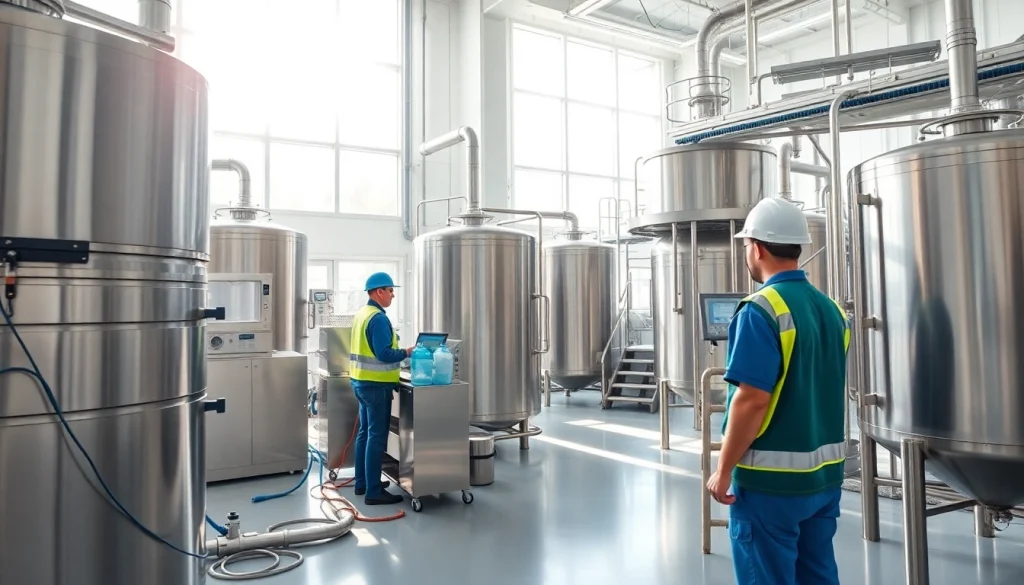
The production of sweeteners requires sophisticated processing equipment to ensure efficiency and quality. Essential machinery includes:
- Mixers and Blenders: For combining raw materials uniformly.
- Evaporators: Used to concentrate sweeteners while removing excess moisture.
- Filtration Systems: Essential for purifying the sweetening agents from impurities.
- Granulators: Convert liquid sweeteners into powdered forms for diverse applications.
Raw Materials Supply Chain
The supply chain for sweetener production is highly crucial, directly affecting quality and consistency. Raw materials typically include:
- Natural sources such as sugarcane and corn.
- Artificial compounds created through chemical processes.
- Biological materials for organic sweeteners.
This supply chain must be managed meticulously to ensure a steady flow of high-quality raw materials, preventing production delays.
Quality Control Measures
Quality control in a sweetener factory is paramount to ensure product safety and compliance with regulatory standards. Common measures include:
- Regular Testing: Each batch of raw materials and finished products undergoes rigorous testing for consistency and safety.
- Hygiene Standards: Strict adherence to cleanliness throughout production processes to prevent contamination.
- Traceability: Systems to track raw materials through to the final product, ensuring transparency and accountability.
Production Processes in a Sweetener Factory
Step-by-Step Production Flow
The production flow in a sweetener factory typically follows these steps:
- Receiving Raw Materials: Inspection and acceptance based on quality standards.
- Preparation: Cleaning and processing raw materials for extraction or synthesis.
- Extraction and Refinement: Techniques such as diffusion, fermentation, or enzymatic processes to extract sweetness.
- Concentration and Drying: Removal of water to achieve desired moisture levels.
- Packaging: Final products are packaged for distribution, adhering to labeling regulations.
Batch vs. Continuous Processing
Sweetener factories may employ either batch or continuous processing methods:
- Batch Processing: Involves producing specific quantities at a time, allowing flexibility but potentially resulting in higher costs.
- Continuous Processing: A streamlined method where production runs non-stop, enhancing efficiency and lowering costs, ideal for high-demand products.
Role of Automation and Technology
Automation plays a pivotal role in modern sweetener factories, minimizing manual labor and improving accuracy. Technologies such as:
- IoT Devices: Enable monitoring of machinery and processes, improving efficiency.
- Data Analytics: Aid in predicting maintenance needs and optimizing production schedules.
- Robotics: Automate packaging and handling, reducing human error and increasing output.
Regulatory Compliance in Sweetener Factories
Food Safety Standards
Sweetener factories must comply with stringent food safety regulations to ensure product safety and quality. These include:
- HACCP Plans: Hazard Analysis and Critical Control Points plan to identify and mitigate risks.
- FDA Regulations: Ensuring adherence to guidelines set forth by the Food and Drug Administration.
- GMP Practices: Good Manufacturing Practices ensure that products are produced consistently and controlled to quality standards.
Sustainability Practices
Sustainability is becoming increasingly important in sweetener manufacturing. Factories are adopting practices like:
- Waste Reduction: Implementing processes to minimize waste generation during production.
- Energy Efficiency: Utilizing renewable energy sources and energy-efficient machinery.
- Sustainable Sourcing: Prioritizing raw materials from sustainable and ethical sources.
Labeling and Consumer Transparency
With consumers becoming more health-conscious, transparency in labeling is crucial. Sweetener factories must ensure that:
- Labels clearly state ingredients and nutritional information.
- All claims about health benefits are scientifically validated and truthful.
- Any potential allergens are highlighted prominently on packaging.
Future Innovations in the Sweetener Factory Sector
Emerging Technologies
The sweetener industry is ripe for innovation, with technologies such as:
- Biotechnology: Advances in genetic engineering could lead to new natural sweeteners with enhanced properties.
- Nanotechnology: Potentially creating new sweetening options with improved taste profiles and functional properties.
- Fermentation Technology: Innovations in fermentation processes could lead to more efficient production methods for natural sweeteners.
Consumer Preferences Shaping Production
As consumer preferences shift towards healthier options, sweetener factories must adapt by:
- Incorporating naturally derived ingredients.
- Reducing sugar content while maintaining taste quality.
- Offering gluten-free, vegan, and low-allergen options to cater to diverse dietary needs.
Global Impact and Trends
The sweetener industry does not operate in a vacuum; global trends significantly influence production methodologies. Key impacts include:
- International Trade Policies: These can affect raw material costs and availability, influencing market prices.
- Cultural Dining Trends: Shifts towards various cuisines can dictate sweetener preferences and necessitate diversification of product offerings.
- Health Trends: The ongoing research into the health effects of sugar and sweeteners shapes public perception and demand.
FAQs about Sweetener Factories
1. What are the main types of sweeteners produced in a factory?
Sweetener factories produce natural sweeteners, caloric sweeteners, non-caloric sweeteners, and organic options, each catering to different market needs.
2. How does quality control impact sweetener production?
Quality control ensures safety and consistency of sweeteners through regular testing, hygiene adherence, and traceability throughout the production process.
3. What are common sustainability practices in sweetener factories?
Common practices include waste reduction measures, energy-efficient machinery, and sustainable sourcing of raw materials to minimize environmental impact.
4. Why is consumer transparency in labeling important?
Transparency in labeling allows consumers to make informed choices, ensuring that all ingredients and health claims are clearly presented, fostering trust.
5. What innovations are shaping the future of sweetener factories?
Emerging technologies, consumer preference shifts toward health-focused products, and biotechnology developments are key drivers of innovation in sweetener production.