
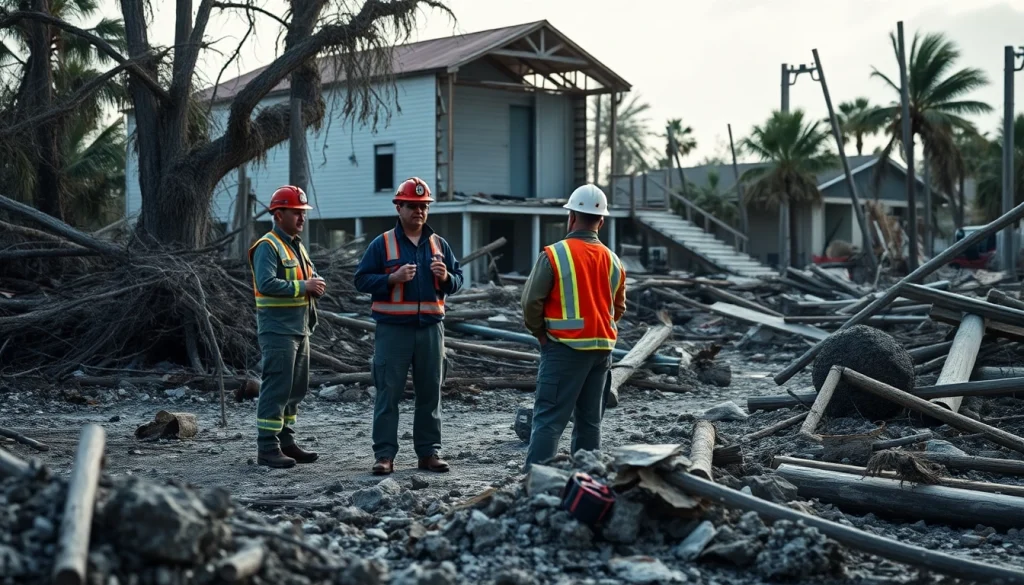
Understanding Florida Hurricane Damage
Florida’s unique climate and geography make it prone to severe weather conditions, particularly hurricanes. These powerful storms can lead to devastating damage across communities, homes, and infrastructure. Understanding the implications of Florida Hurricane Damage encompasses recognizing the various forms of destruction, assessing the historical impact of recent hurricanes, and evaluating the long-term effects on local communities.
The Types of Damage Caused by Hurricanes
Hurricanes can induce multiple types of damage, which can be categorized into three primary areas: wind damage, flooding, and storm surge.
- Wind Damage: The extreme winds generated by a hurricane can cause significant structural damage to buildings. Roofs may be torn off, trees can be uprooted, and power lines often fall, leading to widespread electrical outages.
- Flooding: Heavy rainfall and storm surges lead to flooding, which can submerge homes, businesses, and roads. Floodwaters can cause extensive water damage, impacting not just structures but also accumulated personal property.
- Storm Surge: Often viewed as one of the deadliest aspects of a hurricane, storm surge results from the rising sea levels pushed ashore by high winds and low pressure, inundating coastal areas.
Recent Hurricanes Impacting Florida
Several hurricanes have left a lasting mark on Florida in recent years. Most notably, Hurricane Milton and Hurricane Helene have been discussed extensively within media and amongst officials.
Hurricane Milton made landfall as a Category 3 storm, wreaking havoc across East Central Florida. It resulted in extensive wind damage, with gusts reaching as high as 115 mph, impacting both residential and agricultural sectors significantly. Estimates suggest that agricultural losses alone reached between $1.5 billion and $2.5 billion.
Hurricane Helene also showcased the magnitude of hurricane threats, resulting in catastrophic damages that have led local governments to explore innovative funding solutions, such as proposing tolls for tourists to help mitigate rebuilding costs.
Long-term Effects of Hurricane Damage on Communities
Beyond immediate destruction, hurricanes impose long-lasting consequences on affected communities. The long-term impact consists of economic stagnation, displacement of residents, and psychological effects on individuals and families.
- Economic Stagnation: Regions heavily impacted by hurricanes may experience prolonged economic downturns as businesses shut down or relocate, further exacerbating job loss and depressions in local economies.
- Displacement: Individuals and families may face challenges in finding suitable housing during and after recovery efforts. This displacement can disrupt lives for extended periods, especially for low-income individuals.
- Psychological Effects: Survivors of hurricanes often deal with trauma and stress, which can lead to mental health issues. Communities must ensure access to psychological resources to foster healing following such disasters.
Preparation and Prevention Strategies
Preparedness is the cornerstone of resilience against hurricanes. Implementing strong preparation and prevention strategies can significantly reduce the extent of damage and hasten recovery post-storm.
Best Practices for Homeowners Before a Hurricane
Homeowners must take practical steps to prepare for the possibility of hurricane damage:
- Create an Emergency Kit: An emergency kit should contain essentials such as food, water, medications, flashlights, batteries, and important documents.
- Install Storm Shutters: Protect windows and doors by installing storm shutters to prevent wind and debris damage.
- Secure Outdoor Items: Remove or secure yard items such as furniture, tools, and decorations that may become projectiles in high winds.
- Review Insurance Policies: Homeowners should consult their insurance agents to ensure adequate coverage for hurricane damage, focusing on flood and wind damage riders.
Community Planning for Hurricane Preparedness
Effective hurricane preparedness extends beyond individual actions. Communities in hurricane-prone areas must collaborate to create comprehensive disaster response plans. The following strategies can greatly enhance community preparedness:
- Designate Evacuation Routes: Local governments should establish clear evacuation routes and communication strategies to inform residents during emergencies.
- Develop Community Resource Centers: Designate local centers as resources for information during a storm, helping residents access necessities like food, shelter, and medical care.
- Conduct Regular Drills: Mock drills can enhance public readiness and help familiarize residents with emergency procedures, thereby improving safety during real events.
Insurance Considerations for Florida Hurricane Damage
In Florida, understanding insurance options is essential for minimizing the financial impact of hurricanes. Homeowners should be aware of important aspects:
- Flood Insurance: Standard homeowners insurance typically does not cover flood damage, necessitating the purchase of a separate flood insurance policy.
- Hurricane Deductibles: Many insurance policies include hurricane deductibles that differ from standard deductibles. Homeowners should understand their policy terms to prepare for potential out-of-pocket expenses.
- Assessing Coverage Limitations: Regularly review insurance policies to ensure coverage limits match the value of property, especially after renovations or large purchases.
Recovery and Restoration Process
The recovery from hurricane damage is a multifaceted process that requires coordinated efforts among homeowners, community leaders, and local governments.
Emergency Response Measures Following a Hurricane
After a hurricane, immediate response measures are crucial. These actions can make a significant difference in the recovery timeline:
- Search and Rescue Operations: Emergency services must be deployed to locate and assist those in distress, focusing first on high-risk areas prone to flooding and heavy structural damage.
- Establishing Relief Shelters: Temporary shelters need to be set up for displaced residents, offering a safe space along with essential supplies until longer-term solutions are secured.
- Assessment Teams: Local and state authorities should deploy teams to assess the extent of damage and resource needs, facilitating informed recovery and reconstruction efforts.
Rebuilding Homes After Florida Hurricane Damage
Once emergency actions are underway, the rebuilding process begins. It involves several essential steps:
- Engage Restoration Experts: Homeowners should work with licensed restoration and structural experts to evaluate the safety of their homes before repair work begins.
- Utilize Resilient Materials: Consider using hurricane-resistant building materials to lessen future damage in the event of another storm.
- Conduct Thorough Inspections: All repair work must be inspected to ensure that it meets local safety codes and standards; this ensures the longevity of the home structure.
Community Resources for Recovery Support
Post-hurricane recovery can be challenging, but resources are available for communities facing the aftermath:
- Local Non-Profits and Faith-Based Organizations: These groups often provide critical resources, offering aid in the form of food, clothing, constructive labor, and emotional support.
- State and Federal Aid Programs: Residents should familiarize themselves with state and federal programs designed to assist families in rebuilding, such as grants and low-interest loans.
- Community Forums: Support groups and forums can help residents share experiences and strategies for coping with loss and rebuilding, fostering a collective healing process.
Role of Government and Local Authorities
The government plays a vital role in disaster preparedness and recovery, facilitating plans that ensure community safety and resilience.
Disaster Declarations and Funding for Recovery
Immediately following a significant hurricane, local and state officials typically issue disaster declarations that pave the way for access to federal disaster funds. Such declarations enable:
- Access to Federal Aid: Declare a disaster enables communities to request financial assistance and resources from the federal government for immediate relief and long-term recovery programs.
- Streamlined Recovery Processes: Disaster declarations help streamline the recovery process by providing a framework that local governments can follow to request resources efficiently.
State and Federal Assistance Programs
Multiple programs exist that can aid residents in recovery:
- Federal Emergency Management Agency (FEMA): This agency provides assistance for affected individuals and communities, offering funding for repairs, temporary housing, and other resources.
- Disaster Relief Funds: Many states have created disaster relief funds, which provide financial support to affected individuals and communities for various recovery efforts.
- Community Development Block Grant Disaster Recovery (CDBG-DR): This federal program assists in rebuilding communities, providing funding for long-term recovery projects aimed at sustainable rebuilding.
Collaboration with Non-profits and Volunteer Organizations
Successful recovery initiatives often rely on collaboration between government entities and non-profits. Such partnerships can yield the following benefits:
- Resource Sharing: Non-profits can provide immediate support and resources that government agencies may not have, such as volunteer labor or specialized assistance.
- Community Engagement: Local organizations foster community connection and involvement, ensuring that recovery efforts are sensitive to the unique needs of affected residents.
The Future of Florida’s Resilience to Hurricanes
As hurricane frequency and intensity potentially increase due to climate change, the resilience of communities becomes paramount. Innovative strategies and proactive measures can pave the way for future preparedness.
Innovative Technologies for Damage Mitigation
Technological advancements present new opportunities for hurricane damage mitigation:
- Predictive Analytics: Leveraging data-driven models to predict hurricane paths and impact provides more detailed information to residents, improving preparedness in real-time.
- Building Innovations: Investing in new building techniques and materials, such as flood-resistant and wind-resistant designs, can be crucial in maintaining structural integrity.
- Smart Disaster Response Systems: Implementing smart technologies can enhance communication efforts, allowing for efficient dissemination of important information to affected communities.
Community Initiatives for Sustainable Recovery
Ensuring sustainable recovery requires a community-oriented approach:
- Green Infrastructure: Incorporating green spaces and resilient ecosystems into urban planning can help manage stormwater and reduce flooding impacts.
- Educational Programs: Communities should invest in programs that educate residents about preparedness, resilience, and sustainability.
Preparing Future Generations for Hurricane Challenges
Long-term resilience also involves preparing future generations:
- School-Based Programs: Implement engaging educational curricula focused on environmental studies, disaster management, and community service can instill a culture of preparedness in youth.
- Family Preparedness Training: Families should be encouraged to develop their emergency plans openly and discuss the importance of preparedness, creating a proactive mindset.


